Finding Your Place in the Ring
“Dog showing is one of the few sports where everyone truly belongs.”
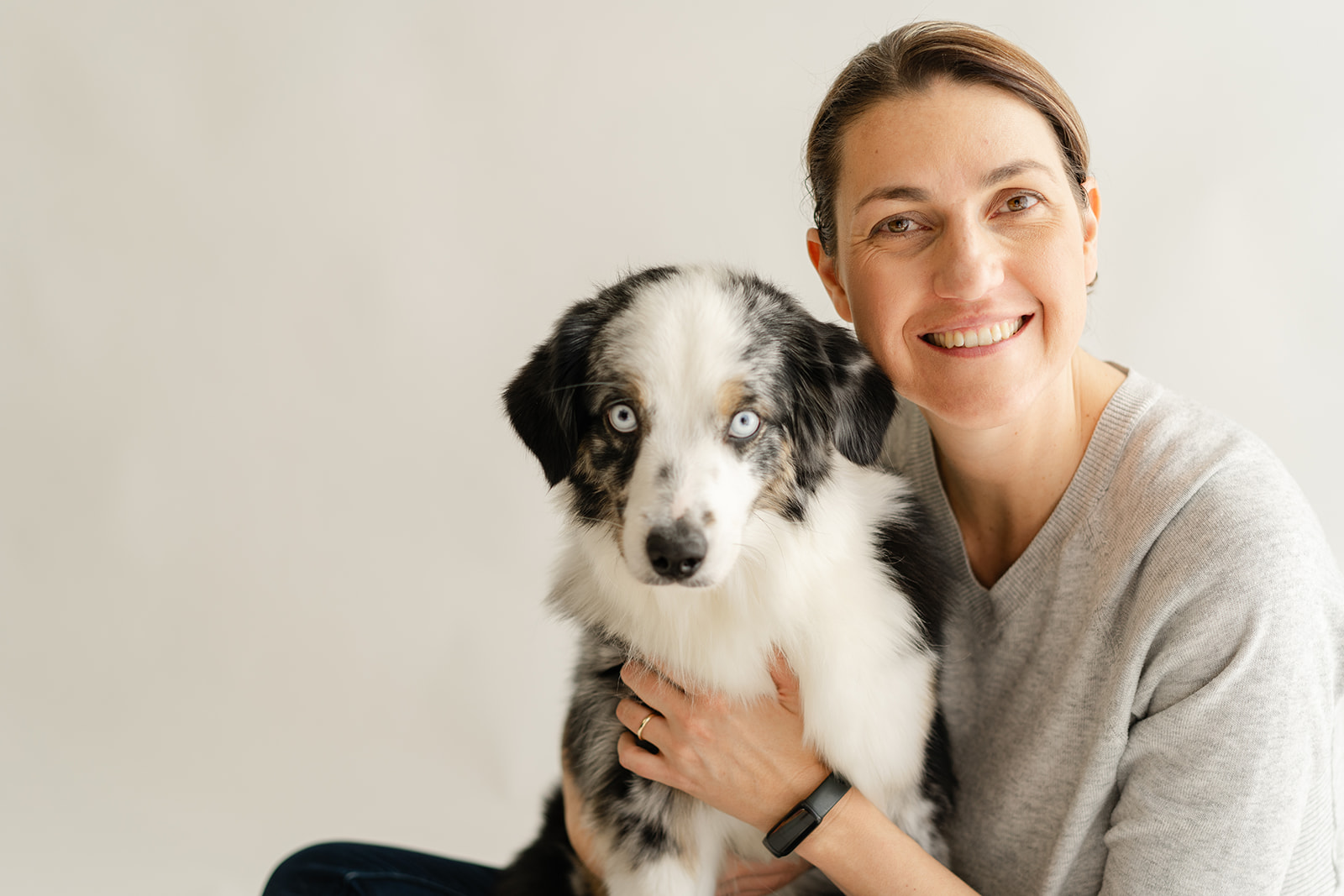
Dog showing is often imagined as something reserved for professionals or lifelong insiders, but for many adults, it’s simply another way to enjoy life with a dog while learning, growing, and connecting with a community. Much like youth sports, there isn’t a single “right” way to participate. Some adults choose to step into the ring themselves, learning to show their own dog as an owner-handler, while others experience the joy of having a show dog guided by a professional handler—similar to trusting a coach to help bring out a child’s potential. Many people also find that a combination of both approaches works best, owner-handling at times while relying on a professional for guidance or select shows. All of these paths offer meaningful involvement, pride, and connection, and the choice often reflects a person’s time, lifestyle, and season of life rather than their passion or commitment.
For many adults, the idea of dog showing can feel intimidating at first. Concerns about time commitment, cost, travel, and simply not “knowing enough” are very real, and often keep people from exploring the sport at all. It’s easy to assume that showing requires endless weekends, significant expense, or a level of confidence reserved for experts. In reality, dog showing exists on a wide spectrum. Some people participate locally and occasionally, others share responsibilities with professional handlers, and many ease in gradually over time. Like any hobby or sport, involvement can be scaled to fit your budget, schedule, and comfort level, making it far more approachable than it often appears from the outside.
One of the aspects of dog showing that continues to inspire me most is how welcoming and diverse the ring truly is. You’ll see people of all ages participating—sometimes toddlers carefully holding a lead with help, and other times adults well into their 70s or 80s confidently presenting their dogs. The sport also makes space for individuals with basic to advanced skills, and even disabilities, each finding their own way to participate and succeed. As a busy professional physician who has always loved dogs, I had long dreamed that dog showing might one day be part of my life—but what surprised me most is that it has turned out to be far more fun, enriching, and joyful than I ever expected. Finding my own balance between owner-handling and working with professional handlers has added connection, community, and a sense of play that beautifully complements a demanding career. Whether your interest eventually leads toward breeding, deeper competition, or simply adding a new dimension of enjoyment with your dog, dog showing can be a wonderful place to begin.
Two Paths: one shared goal
Path One: Showing Your Dog as an Owner-Handler
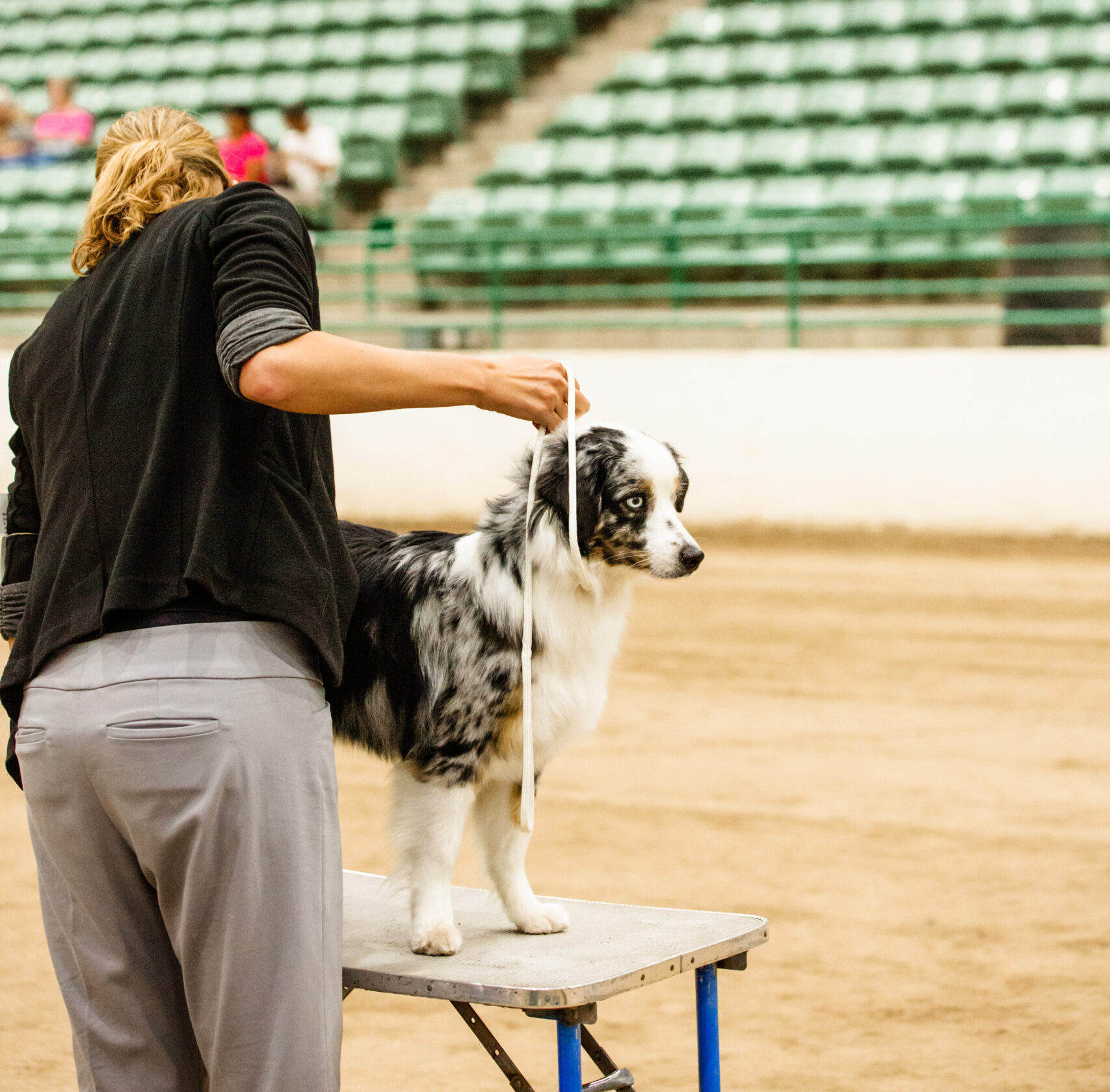
Showing your dog as an owner-handler is a deeply hands-on and rewarding way to participate in the sport. This path invites you to learn the fundamentals—from handling techniques and grooming and coat care to understanding ring procedure and presentation—often through handling classes and local shows. Confidence builds gradually with practice and experience, and along the way many people discover a strong sense of personal accomplishment and a deep partnership with their dog. Owner-handling also opens the door to a supportive community of fellow exhibitors who share advice, encouragement, and camaraderie. One added benefit of this path is the opportunity to compete in AKC owner-handler categories, which offer additional recognition and chances to succeed alongside other owner-handlers. At the same time, it’s important to be honest about the realities: this path requires a meaningful time commitment, patience through a learning curve, and the occasional moment of frustration. For hands-on learners, those who enjoy mastering new skills, and people with flexible weekends who value the journey as much as the outcome, owner-handling can be an incredibly fulfilling way to show dogs.
Path Two: Showing Your Dog With a Professional Handler
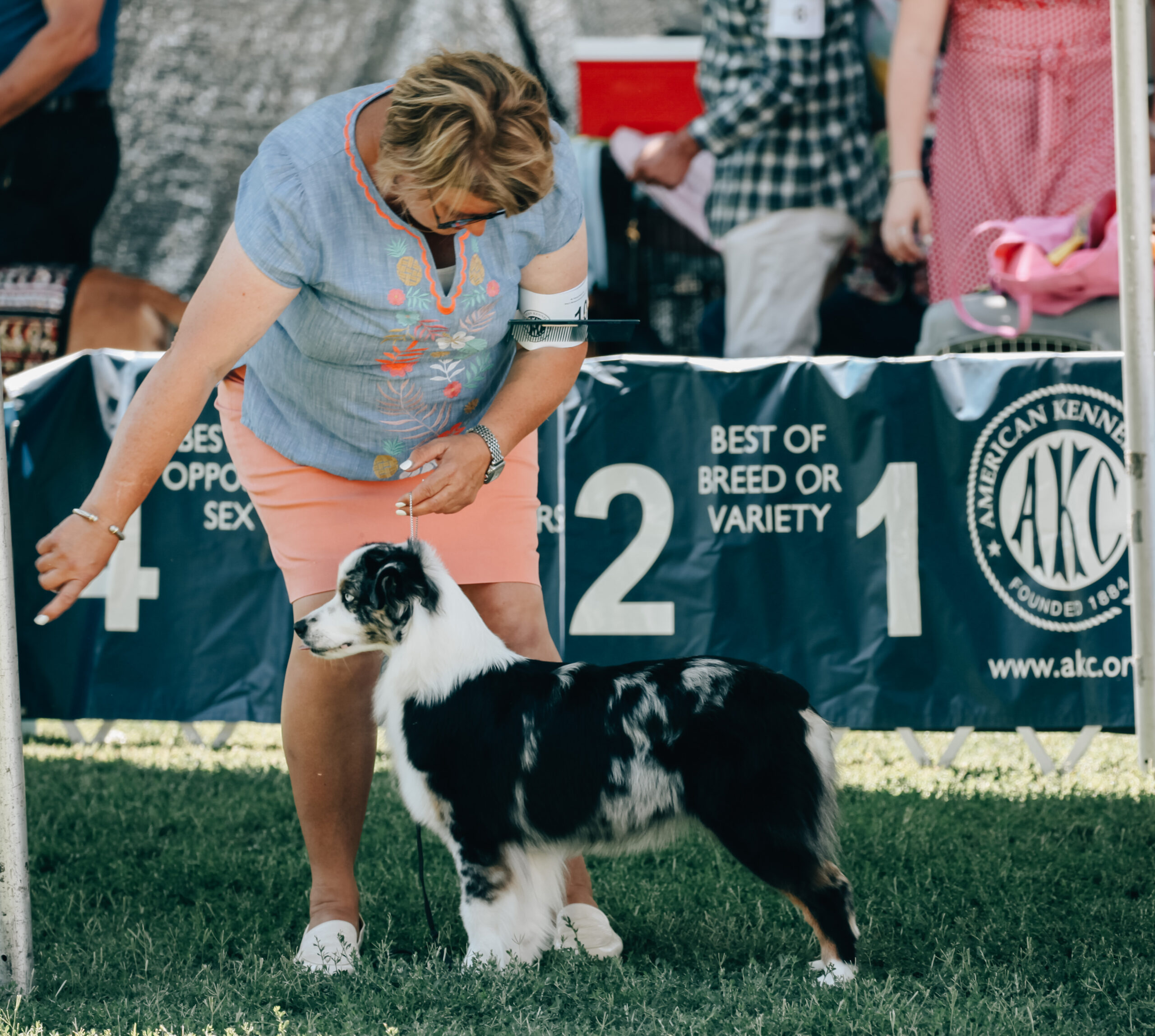
Showing your dog with a professional handler is a collaborative, team-based way to participate in the sport, built on mentorship, trust, and shared goals. A professional handler manages the day-to-day aspects of campaigning a show dog, including conditioning, grooming, travel, and presenting the dog in the ring, while keeping the owner informed and involved along the way. As the owner, your role centers on decision-making, planning, and supporting the journey—much like having a child in competitive sports with a trusted coach guiding their development. This path offers the benefit of professional expertise, efficient campaigning, and reduced time pressure, making it especially appealing for busy professionals or families in demanding seasons of life. At the same time, it’s important to acknowledge the realities, including financial investment and the need for clear communication and mutual trust. For owners who enjoy being part of the process without leading every detail in the ring, working with a professional handler can be a deeply rewarding and joyful way to show dogs.
What to Expect Before Getting Started
If you’re considering dog showing, your starting point may look different depending on your experience, lifestyle, and goals. Some people have already attended dog shows, may already own a show dog, and feel ready to explore the sport more intentionally. For others, one of the best first steps is simply to attend a local dog show and observe. Like any sport or hobby, dog showing can involve training or handling lessons, travel, hiring a professional handler and eventually the commitment of a hire-pace life with a special show prospect—but none of those decisions need to be made all at once. Spending a day at a show allows you to watch owner-handlers and professional handlers in action, see how people participate at different levels, and get a feel for the atmosphere before making any commitments. Many adults find that experiencing the sport firsthand brings clarity and confidence, helping them decide whether this path fits their time, energy, and season of life.
Which Dogs Can Participate in AKC Conformation Events ?
To participate in AKC conformation (breed) competition, a dog must be fully registered with the American Kennel Club and eligible to be shown as a representative of its breed. This requires Full AKC Registration, which also carries breeding rights, as conformation showing is intended to evaluate dogs for their potential contribution to the breed. Dogs shown in conformation must be intact; spayed females and neutered males are not eligible to compete in the breed ring. In addition to registration status, dogs must meet basic health and age requirements (at least 6 months old) and conform to the breed standard as evaluated by judges. These rules help ensure that conformation remains focused on preserving breed structure, temperament, and function.
Considerations when searching to buy a Show-quality Puppy:
1. Choosing your Breed:
Choosing the right breed and finding a show-quality puppy begins with thoughtful research and honest conversations. Each breed has its own temperament, grooming needs, size, energy level, and lifestyle requirements, so it’s important to choose one that truly fits your daily life—not just your goals in the ring. When speaking with breeders, consider asking about health testing, temperament, typical adult size, grooming and training needs, and how puppies are evaluated for show potential. Breeders who actively participate in AKC events are often more familiar with breed standards and are more likely to thoughtfully identify and place show-quality puppies, while also providing mentorship and ongoing support. Taking the time to choose the right breed and breeder sets the foundation for a rewarding and enjoyable dog-show journey.
2. Considerations about Full Registration and Breeding rights:
When purchasing a show dog with Full AKC registration, it’s important to understand the implications that come with breeding rights. Because conformation showing is tied to preserving and improving a breed, many breeders place show puppies under co-ownership agreements that allow them to remain involved in breeding decisions and uphold specific health, quality, and ethical standards. This structure helps protect both the dog and the breed, especially since it is not possible for any breeder to guarantee future success in the show ring—development, maturity, competition, and many external factors all play a role. For this reason, most breeders retain the very best puppies for their own programs and carefully place others with trusted homes. It’s also common for people who become involved in showing to later consider breeding, and this possibility should be discussed openly with the breeder before purchasing a show puppy and clearly outlined in writing within the contract. It’s important to note that when a puppy is sold with Full AKC registration without co-ownership, the breeder no longer has authority or decision-making power over breeding choices, making clarity and alignment at the outset especially critical.
3. Show Puppy Contract Checklist: What to Review Carefully
Before committing to a show puppy, take time to review the contract closely and make sure the following points are clearly addressed in writing:
Registration status: Does the contract specify Full AKC Registration, and does it include or exclude co-ownership?
Breeding rights: Who has the authority to make breeding decisions, and under what conditions (if any) breeding is permitted?
Co-ownership terms (if applicable): What decisions require mutual agreement, and how long does the co-ownership remain in place?
Health testing requirements: Which health tests are required before breeding, and who is responsible for scheduling and costs?
Show expectations: Are there expectations around showing, campaigning, or working with a professional handler?
What if plans change: What happens if the dog does not finish a championship, does not meet breeding quality standards, or if showing is no longer a good fit?
Transition options: Does the contract outline how and when a dog may transition to pet-only status, limited registration, or sole ownership?
Communication expectations: How will decisions be made and communicated between breeder and owner?
Dispute resolution: Is there a clear process outlined if disagreements arise?
A thoughtful contract is not about restriction—it’s about clarity, shared expectations, and protecting everyone involved, most importantly the dog. Taking the time to understand and discuss these points upfront helps set the foundation for a positive, respectful partnership.
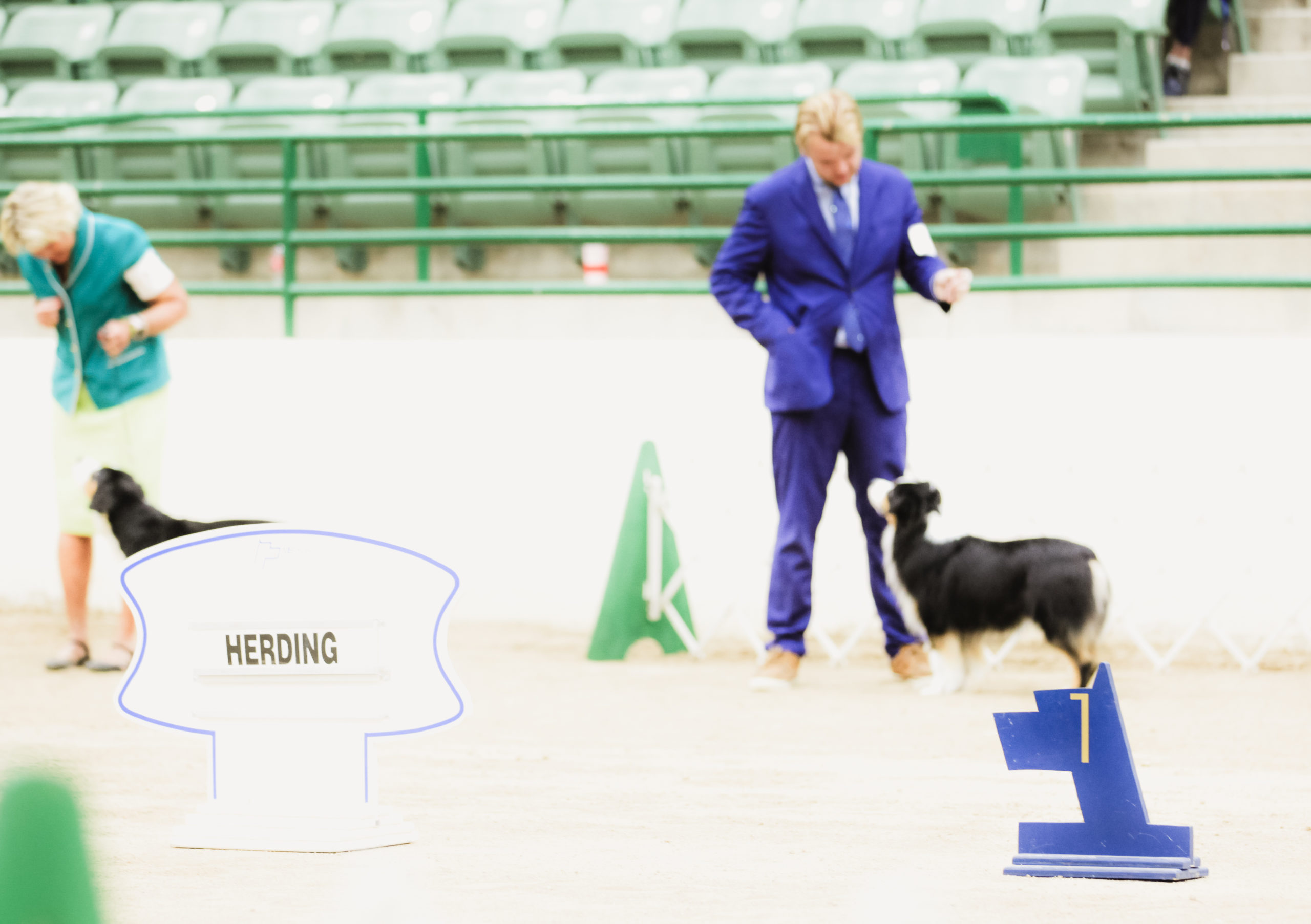
Ready to Get Started?
One of the best first steps is simply finding a dog show near you and attending in person. AKC shows are held year-round across the country, and upcoming events can be found through the AKC website or local kennel club calendars. When you feel ready to enter, it’s helpful to know that most shows have an entry deadline about two weeks in advance, often closing on a Wednesday at noon. For many first-time exhibitors, the entry process can feel a bit overwhelming at first, but there are services that can make it much easier. Companies such as Best In Show Entry Services (800-247-7005) offer entry support—once you provide your dog’s registration information, they can submit the show entry on your behalf for a small fee.
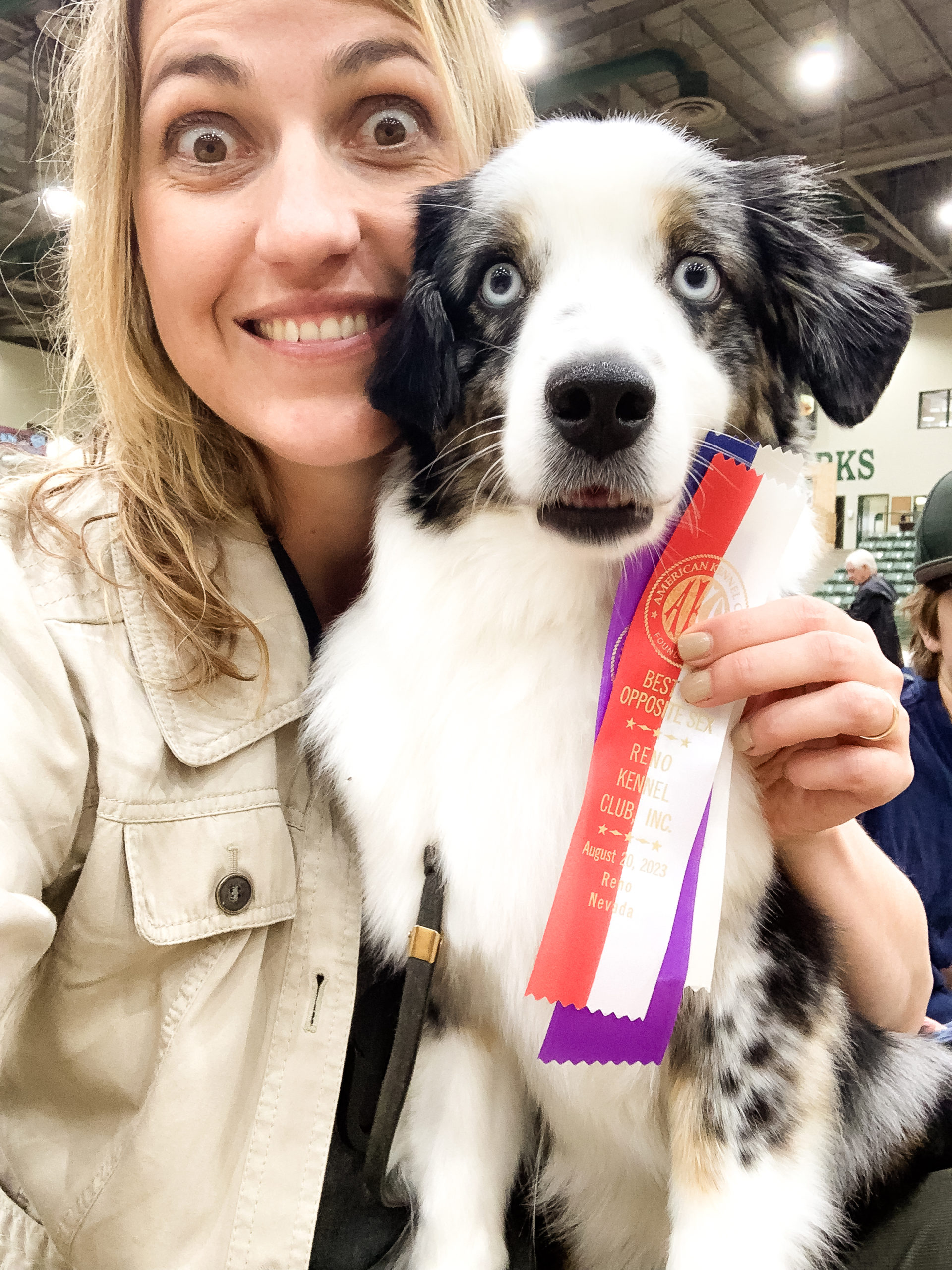
When entering a dog, you will also need to select the appropriate “class.” For dogs that are not yet champions, males and females compete separately in classes that are often divided by age (such as 6–9 months, 9–12 months, or 12–18 months), along with a general class called Open. After these classes are judged, the best non-champion male is awarded Winners Dog, and the best non-champion female is awarded Winners Bitch. These winners will earn championship points based on the number of dogs entered in the breed that day, making this an important step toward completing an AKC title.
Both Winners advance into the Best of Breed competition to face the champions and other top-ranked dogs. The Winners Dog and Winners Bitch also compete against each other for Best of Winners, which is an additional recognition given to the best overall non-champion exhibit of the day. While this structure may sound complex at first, most exhibitors find it becomes surprisingly intuitive after attending a few shows —and it’s part of what makes the journey toward a championship so exciting and rewarding.
Could dog showing be the next step for you?
Whether you’re drawn to the idea of learning to handle your own dog, partnering with a professional, or simply exploring something new with a beloved companion, the world of dog shows offers a unique blend of community, personal growth, and shared joy. You don’t need to have all the answers before you begin—curiosity is often the very first qualification. In the upcoming posts of this series, we’ll continue to explore the practical side of the sport, including costs, travel, preparation, and what life behind the scenes truly looks like. Wherever you are on your journey, you’re warmly invited to keep reading and discovering what dog showing could look like in your own season of life.
“There is room in the ring for every season of life and every way of participating.”