Dog Showing Costs: The Honest Truth
“Every show journey has a price tag… and a whole lot of memories attached.”
Like skiing or learning to fly a plane, it’s not an exaggeration to say that dog showing can become a sport where you spend thousands of dollars. I remember early on realizing that between entry fees, travel costs, grooming supplies, Professional Handler fess and all the little extras that come with the show world, the costs of Dog Showing can add up faster than most people expect.
The truth is, the Dog Show budget can look very different depending on your goals—whether you’re simply showing for fun and learning, working toward finishing a championship as part of your breeding program, or campaigning an ultra-competitive “special” Dog with dreams of major events like US Nationals and Westminster.
And honestly? If this is your joy, it’s totally okay to spend money on it—no judging here. Some people buy boats. Some collect designer handbags. Dog show people… somehow end up with five blow dryers, cool grooming tables, and a suitcase full of fancy show leads, chalk, spray, and treats. We all have our hobbies. Ours just comes with fur and a wagging tail.
That said, dog showing is not an all-or-nothing lifestyle. There are many ways to participate, and you truly can shape the journey to fit your budget, your priorities, and your season of life. In this post, I’ll share an honest breakdown of the real costs behind the ring—and practical ways to enjoy the sport without breaking your wallet.
Breaking Down Dog Show Costs
When people talk about the “cost of dog showing,” it helps to realize that most expenses fall into a few predictable categories. Some costs are universal no matter how you participate—entry fees, for example, apply whether you are showing your dog yourself or working with a professional handler. Beyond that, the overall budget can look quite different depending on the path you choose. Owner-handlers typically take on travel expenses directly, along with grooming supplies, equipment, and handling classes as they build skills over time. For those who work with a professional handler, costs may include handler fees, grooming and conditioning services, and shared travel expenses, which are often divided across multiple dogs and clients on the handler’s schedule. Because these two approaches are structured differently, it can be helpful to look at their costs separately. If you’d like a deeper introduction to these two paths, you may enjoy our previous post, How Adults Participate in Dog Showing. In the sections ahead, we’ll break down each major expense category step by step so you can better understand what to expect and what might fit your own goals.
Entry Fees:
Most AKC conformation shows charge approximately $30–$40 per dog, per day, per entry, though specialty shows or larger events may have slightly different pricing. Because many shows run over multiple days, costs can add up quickly if you enter several days in a row.
One challenge for newcomers is that show entries are managed through several different platforms and superintendents (such as MB-F, Onofrio, Jim Rau, Jack Bradshaw and others), which can make it surprisingly difficult to keep track of deadlines and paperwork. For this reason, many exhibitors choose to use services like “Best In Show Entry Service”, which can submit entries on your behalf for a small additional fee. Their current fee structure includes an annual membership fee of $15, a processing fee of $5.50 per dog per show.
To put this into perspective, imagine a typical weekend cluster with three shows (Friday, Saturday, and Sunday). If entry fees are $35 per day, the base entry cost would be about $105 for one dog. Using Best In Show would add an additional $5.50 per show, or $16.50 total, bringing the weekend entry total to approximately $121.50 (plus the annual membership fee if it is your first time using the service).
Starting Smart: Education, Local Shows, Essentials, and Travel
Where to start
Before investing in fancy equipment or planning expensive travel weekends, one of the best places to start is with owner-handler/ Junior Handler education. Handling classes are often the most cost-effective way to build confidence and skills early, helping you understand ring procedure, gaiting, stacking, timing, and how to present your dog comfortably and correctly. Group handling classes typically cost around $15–$30 per session, while private lessons with an experienced coach may range from $40–$100+ per hour. Many families find that a few classes early on make everything else—shows, grooming, and even equipment choices—feel far less overwhelming. To find local opportunities, look to kennel clubs, dog training centers, breed clubs, or recommendations from breeders and exhibitors in your area. Starting with education first is often the smartest investment you can make, and it sets the foundation for an enjoyable, sustainable show journey.
Why Local Shows Are So Great for Beginners
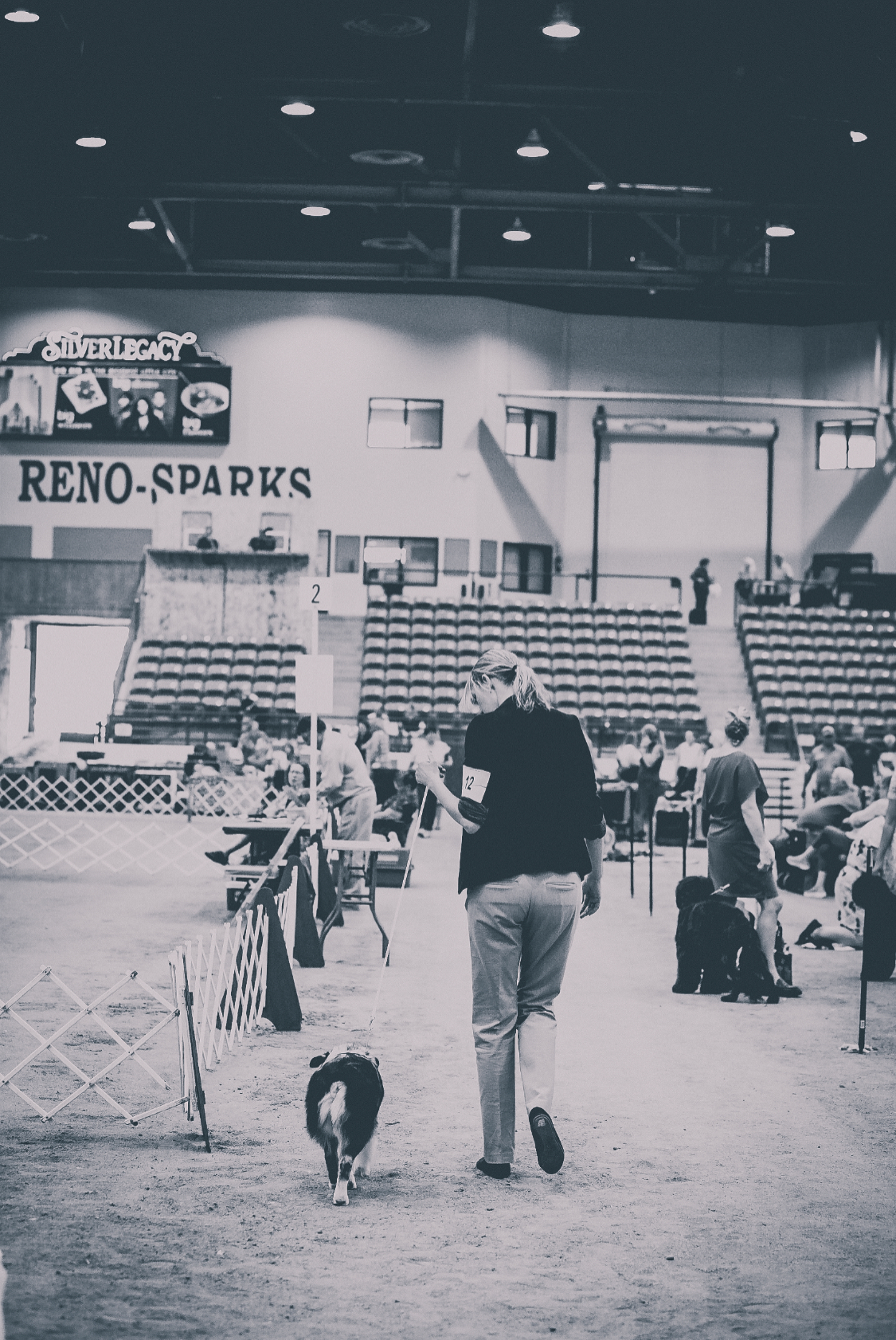
Local dog shows can be one of the best ways to start your journey in the sport. They offer a lower-pressure environment, familiar faces, and the chance to learn without the added complexity of long-distance travel. Because you can often drive in for the day, local shows eliminate major expenses like hotels, extended meals on the road, and weekend travel logistics. They also make it easier to participate gradually—entering just one day, observing more than competing, and building confidence step by step.
Just as importantly, local shows are an incredible place to learn through observation and community. You can watch how experienced exhibitors groom, set up their spaces, manage equipment, and prepare dogs for the ring.
Local shows also open the door to many cost-saving possibilities. If grooming feels especially intimidating at first, you are not alone—and you do have options. Many owners choose to hire a professional groomer who is familiar with their breed standard to help prepare their dog for the ring, especially in the beginning. Some professional handlers also offer grooming-only services for a fee if arranged in advance. Personally, when we first started showing Blue Belle with a professional handler, this was exactly the support I relied on. The first time I was brave enough to step into the ring myself, I did not groom my dog—I leaned on experienced hands so I could focus on handling, learning, and simply enjoying the experience.
This approach does have limitations, of course, and it may not be practical for every show or every long-term goal. However, it can be a wonderful way to ease into the sport. By using professional grooming support, you may not need to invest immediately in extensive grooming equipment, and you can often arrive with a dog that is already show-ready—simply walking to the ring and focusing on the experience itself. It can also reduce the need to reserve grooming space on the show grounds, making the day feel much simpler and less overwhelming, especially for beginners.
Local shows are a wonderful way to begin, but as your confidence grows, you may find yourself looking toward larger weekends, farther travel, or bigger goals in the sport. In the next section, we’ll explore the additional costs that often come with taking your show journey on the road.
Your First Dog Show Setup
Getting started as an owner-handler also comes with a set of one-time (or mostly one-time) equipment costs, which can range from ultra-basic to quite fancy depending on your breed, goals, and personal preferences. At the simplest level, you truly only need a proper show lead ($15–$100) and a well-groomed dog to begin. But most exhibitors gradually build a small “show kit” that makes weekends easier and more comfortable.
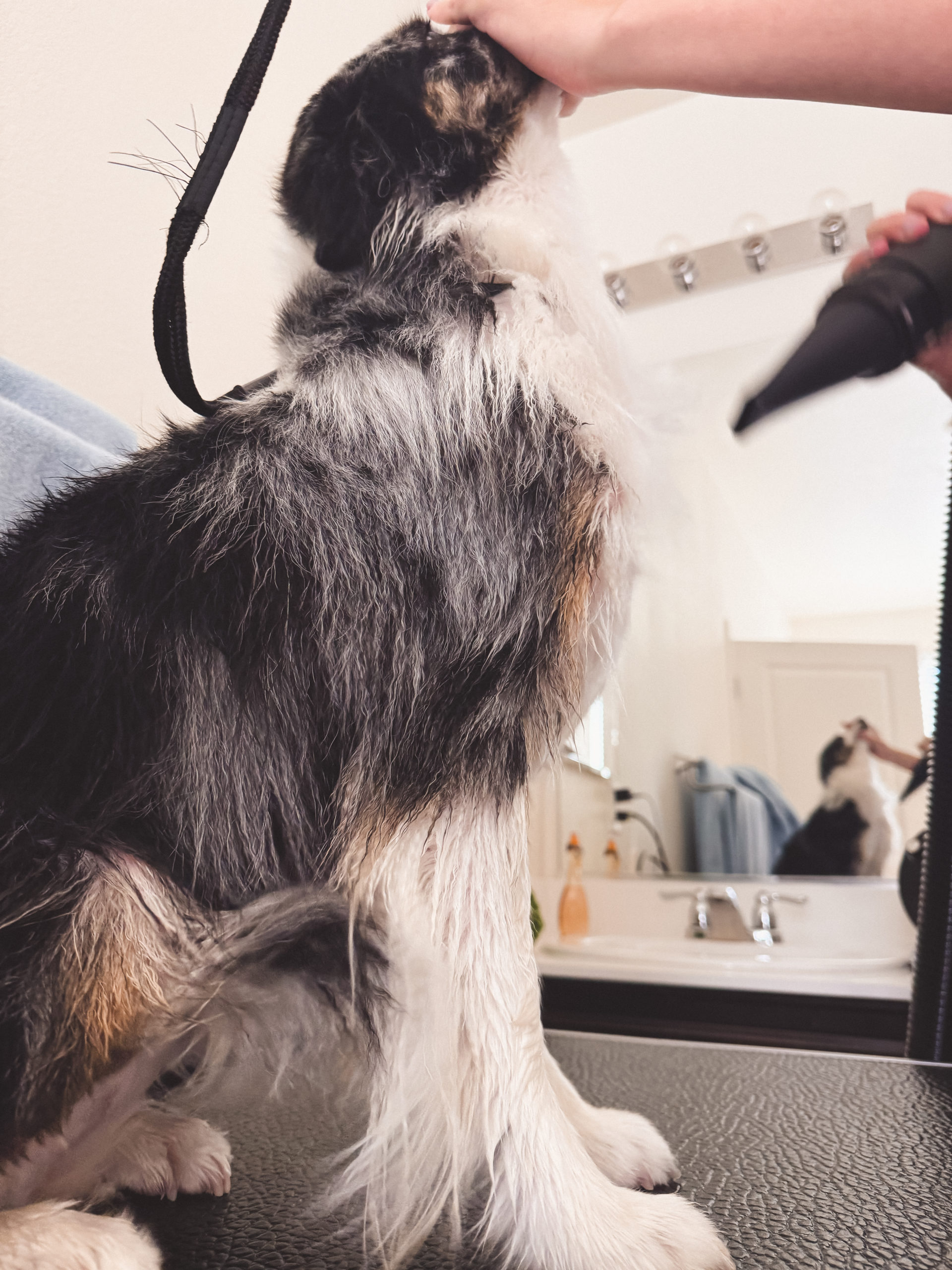
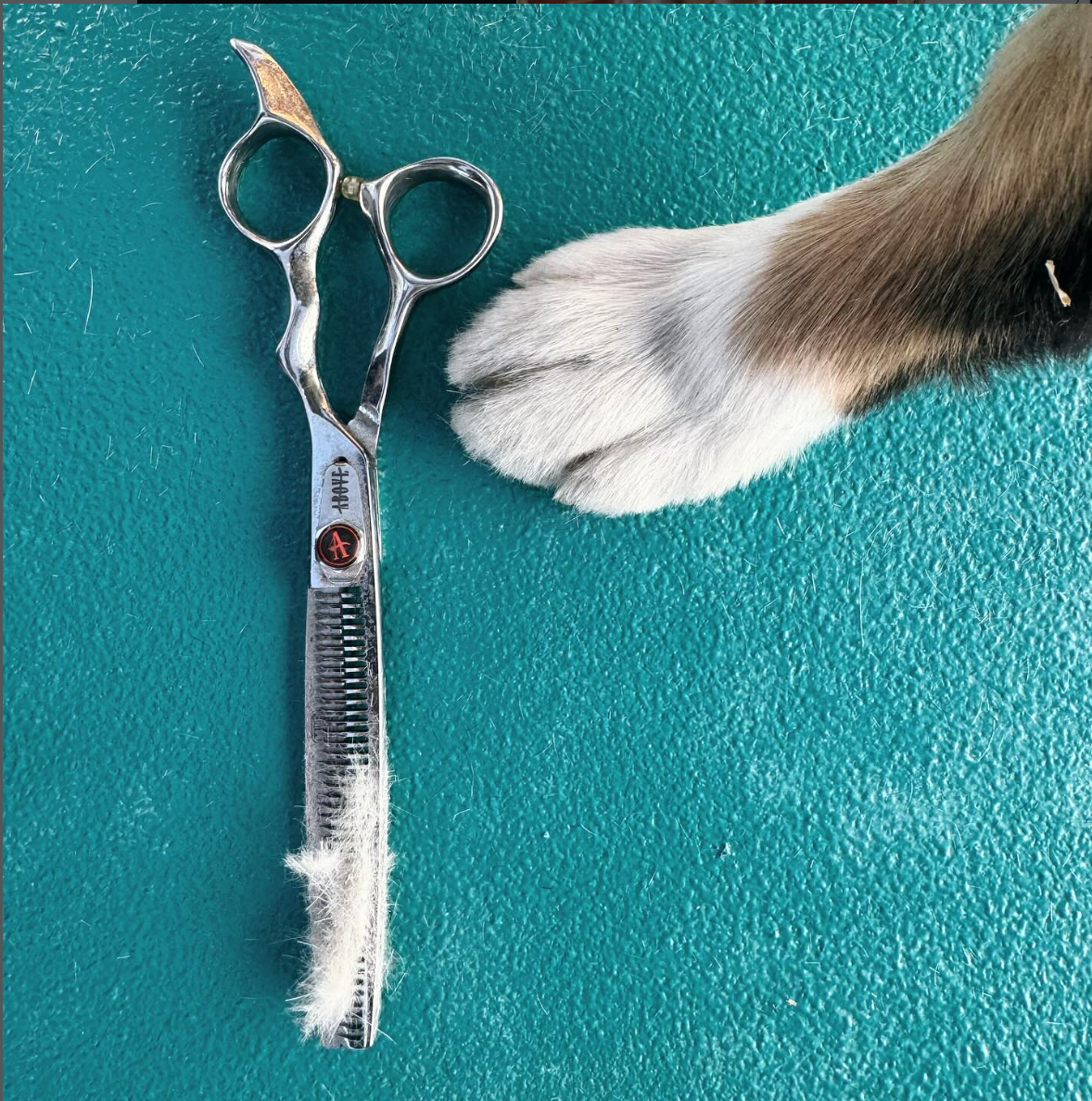
Common starter items include a folding grooming table ($80–$200), a crate or folding exercise pen for your dog to rest between classes ($75–$200—not mandatory, but very helpful), and foundational grooming tools such as brushes, combs, and trimming shears. Quality grooming shears (for breed-specific scissoring and finishing) typically range from $60–$200+, depending on brand and steel quality. Many exhibitors also invest in a blow dryer for home grooming ($100–$600 depending on power and brand), a folding chair for long show days ($20–$60), and a cart or set of wheels to transport equipment from the parking lot to the grooming area ($60–$150).
Some owners also find a foldable bathing tub with a portable hose attachment especially handy ($60–$150), particularly if you plan to bathe your dog at the show site or while traveling. Others prefer to bathe at home a day or two before the show, or use bathing stations available at certain show grounds. As with most show gear, the best approach depends on your breed, your routine, and what makes the experience easiest and most enjoyable for you.
In addition to basic equipment, grooming products are another ongoing “fixed” cost that most exhibitors encounter early. Even for low-maintenance breeds, you may find yourself purchasing specialty shampoos, conditioners, coat sprays, chalk or texturizing products, brushes, and finishing tools to help your dog look and feel their best in the ring. These items are typically replenished over time and can range from modest to surprisingly extensive depending on breed and coat type. It’s also worth noting that grooming is often its own skill set, separate from handling, and not always covered in standard owner-handler classes. Many exhibitors choose to invest in grooming education through breeder mentorship, grooming seminars, or professional groomer instruction, which can make a significant difference in presentation and confidence. For many, learning grooming becomes an enjoyable part of the journey—and another area where starting simple and building gradually works best.
This list is far from exhaustive, and costs can vary widely—some items can become much more expensive at the “fancy” end of the sport. The good news is that many exhibitors purchase equipment slowly over time, and used gear can often be found through local show communities for a fraction of the cost. Most people start with the basics, then upgrade only as their involvement—and enjoyment—grows.
Travel Costs: The Biggest Variable
Travel is often one of the most variable—and sometimes largest—expenses in dog showing. A local one-day show may only require gas and a packed lunch, while a weekend cluster several hours away can quickly involve hotel stays, meals, and multiple days on the road. Many show venues charge parking or grooming area fees, and larger events may offer reserved grooming spaces for an additional cost. Some exhibitors travel with RVs, which can provide convenience and comfort but come with their own expenses, including fuel, maintenance, and RV parking hookups. Others prefer pet-friendly hotels, which often add nightly pet fees on top of the room rate. The key takeaway is that travel costs depend heavily on your location, how far you choose to compete, and what level of comfort works best for your family. Starting close to home and gradually expanding your show radius is one of the easiest ways to keep this part of the budget manageable.
Staying Efficient: Working With a Professional Handler
Showing with a professional handler can seem expensive at first glance, but for many owners, it is more nuanced once you consider the full picture of time, travel, grooming, and logistics required to show a dog yourself. Professional handlers bring expertise in presentation, conditioning, grooming, and ring strategy, often helping a dog look and perform at their absolute best. Fees vary widely depending on region and level of competition, but a typical range may include a per-show handling fee of approximately $75–$150 per show, with additional costs for grooming, travel, and day-to-day care while the dog is in the handler’s program. While those numbers can add up, owners are often surprised to realize that when they factor in their own hotel stays, missed workdays, equipment, grooming setup, and the stress of doing everything alone, working with a handler may not be as dramatically different in cost as it first appears. For busy professionals or families in demanding seasons of life, professional handling can offer a smoother, more efficient, and often more successful way to enjoy the sport—allowing you to focus on the joy of the journey while trusting experienced hands in the ring.
Considerations When Choosing a Professional Handler
When choosing a professional handler, there are several practical and relational factors to consider beyond cost alone. The best handler relationships are built on trust, transparency, and shared respect—ensuring that the experience remains positive for you, your dog, and everyone involved. Here are a few considerations when choosing a professional handler:
Local vs. Far Away
A local handler may allow easier visits, shared training, and less travel stress. A farther-away handler may offer specific breed expertise or access to larger show circuits.
Show Schedule and Pace
Some handlers travel and compete every weekend, while others show more selectively. Make sure their pace matches your goals and lifestyle.
Where Your Dog Will Stay Between Shows
Ask whether your dog will board full-time with the handler, stay only for show weekends, or return home between events. This affects both cost and your dog’s routine.
Communication Style
Discuss how often you will receive updates, photos, results, and how decisions will be made. Clear, consistent communication is key to a positive partnership.
Grooming and Conditioning Services
Some handlers include grooming and conditioning in their program, while others charge separately. Clarify what is included upfront.
Professionalism and Ethics
Dog showing is a close-knit community, so working with someone known for fairness, respect, and ethical conduct helps avoid unnecessary conflict or discomfort.
Potential Conflicts of Interest
It’s appropriate to ask how the handler prioritizes dogs in their care and whether any situations could create divided attention or competing goals.
Written Expectations and Agreements
A clear contract outlining fees, responsibilities, scheduling, and decision-making protects everyone involved—most importantly, your dog.
Dog Showing at Your Own Pace
If reading through all of these potential costs feels a little overwhelming, take a deep breath—you are not alone. Dog showing can sound like a world of entry fees, blow dryers, hotel points, and an ever-growing collection of grooming sprays… and sometimes it is. But it’s also a sport you can enter slowly, thoughtfully, and in a way that fits your life. Most people don’t start with a full show trailer and a suitcase of chalk—they start with one local show, one brave entry, and one dog they adore. Whether you’re here for a season of fun, a personal challenge, a future championship, or simply the joy of being part of this unique community, there is room for you. The journey doesn’t have to be perfect or expensive to be meaningful—it just has to begin.
Could dog showing be the next step for you?
Like any new skill, dog showing is something that can grow with you over time. I will never forget one of my first local shows when I finally decided to do the grooming myself. I wasn’t quite sure how to trim beneath my dog’s docked tail, and with the full confidence of a beginner, I thought a straight line was the perfect solution. I didn’t realize how terrible that choice was until someone gently pointed it out… just moments before we walked into the ring.
It could have been a moment of embarrassment, but instead it became a quiet revelation. I wasn’t perfect—but I was there. I had shown up. I was learning. And that, in itself, was courage. It was also a reminder that while doing things yourself can save money, growth often means eventually investing in education—through lessons, mentorship, or even a kind friend who knows more than you do.
Dog showing is full of little moments like this: humbling, funny in hindsight, and deeply rewarding. Much like skiing or learning to fly a plane, you improve step by step, show by show—and along the way, you discover that the joy isn’t only in getting it right, but in having the bravery and fun to begin.
“You don’t need the biggest wallet to step into the ring—just a plan, a dog, and a little courage.”