
Congratulations on your New Puppy and welcome to the Eversummer family!
Welcoming a new puppy starts before they arrive. A little thoughtful preparation will help your puppy feel safe, confident, and secure from day one—while also making those early weeks smoother and more predictable for you.
To help you get started, we recommend the following:
- Log in to your With Open Arms and a Level Head course
As part of your EverSummer Minis experience, you have access to this comprehensive 8.5-hour program—a cornerstone of our puppy-raising approach and a meaningful extension of the foundation your puppy has already received with us. It is designed to guide you through the first four weeks at home with clarity, structure, and confidence.
We encourage you to take some time before your puppy arrives to become familiar with the course. You are welcome to watch it in full or focus on the sections referenced throughout this guide. Many families find it especially helpful to print the week-by-week materials (see Section 3) for easy reference.
Please confirm you are able to log in ahead of time, as we will refer to this material often during the first few weeks. If you have any issues accessing your course, please reach out to Cristine. Your course also includes access to a private Facebook group for additional support. - Schedule your veterinary appointment
Plan ahead for your puppy’s next vaccine visit. Please check with Cristine for the appropriate timing based on your puppy’s schedule. - Prepare your home with essential supplies
In the following section, you will find a list of recommended items to have ready before your puppy arrives, along with helpful details on how each one supports your puppy’s development and training.
Please don’t hesitate to reach out if you have any questions along the way—we are here to support you every step of the journey.

Essentials to have Ready:
- Crate with a comfortable bed
- Playpen
- Designated potty area
- Food
- Other items: Collar/Harness, Bowls, Treats and Clicker (we provide)
Crate: What to Consider
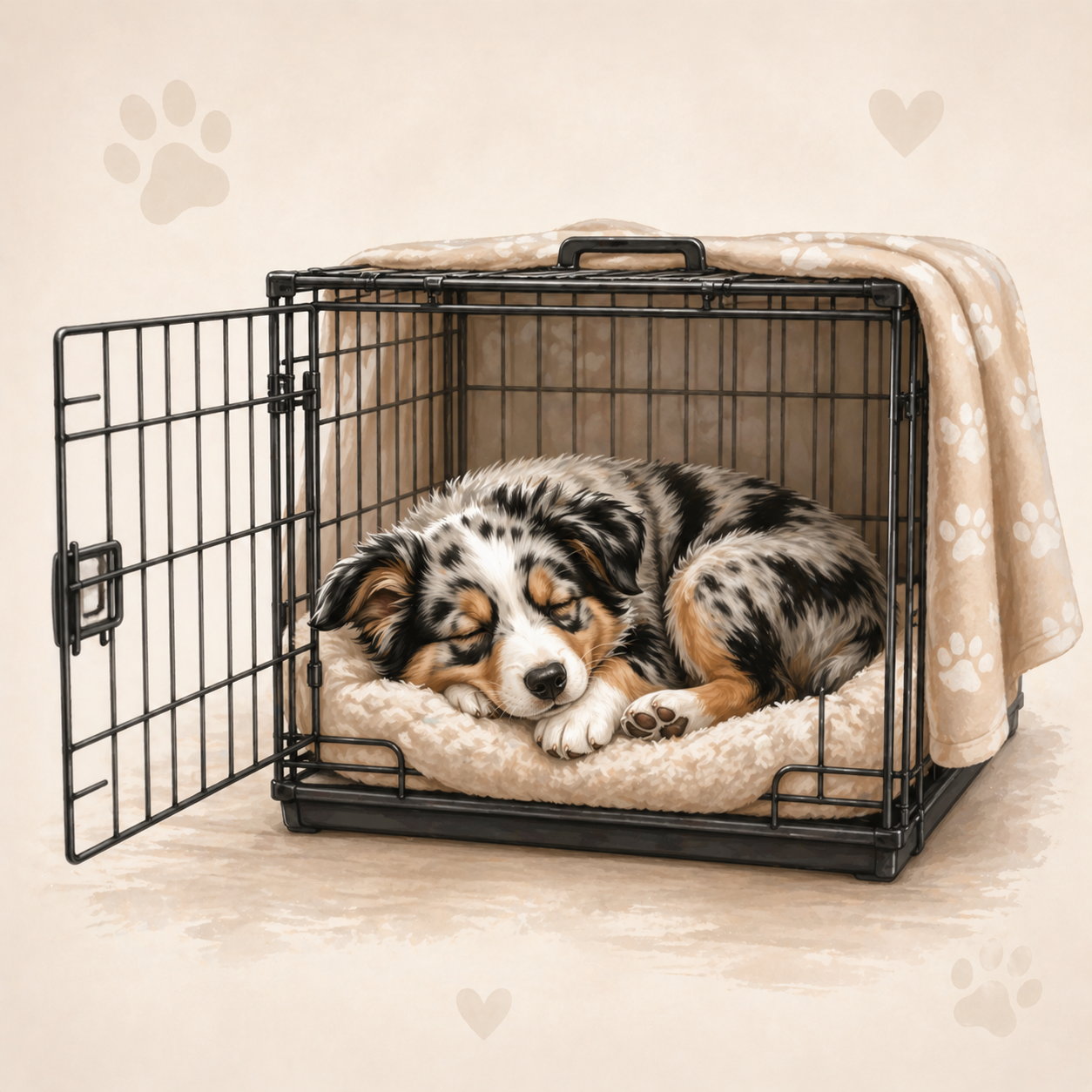
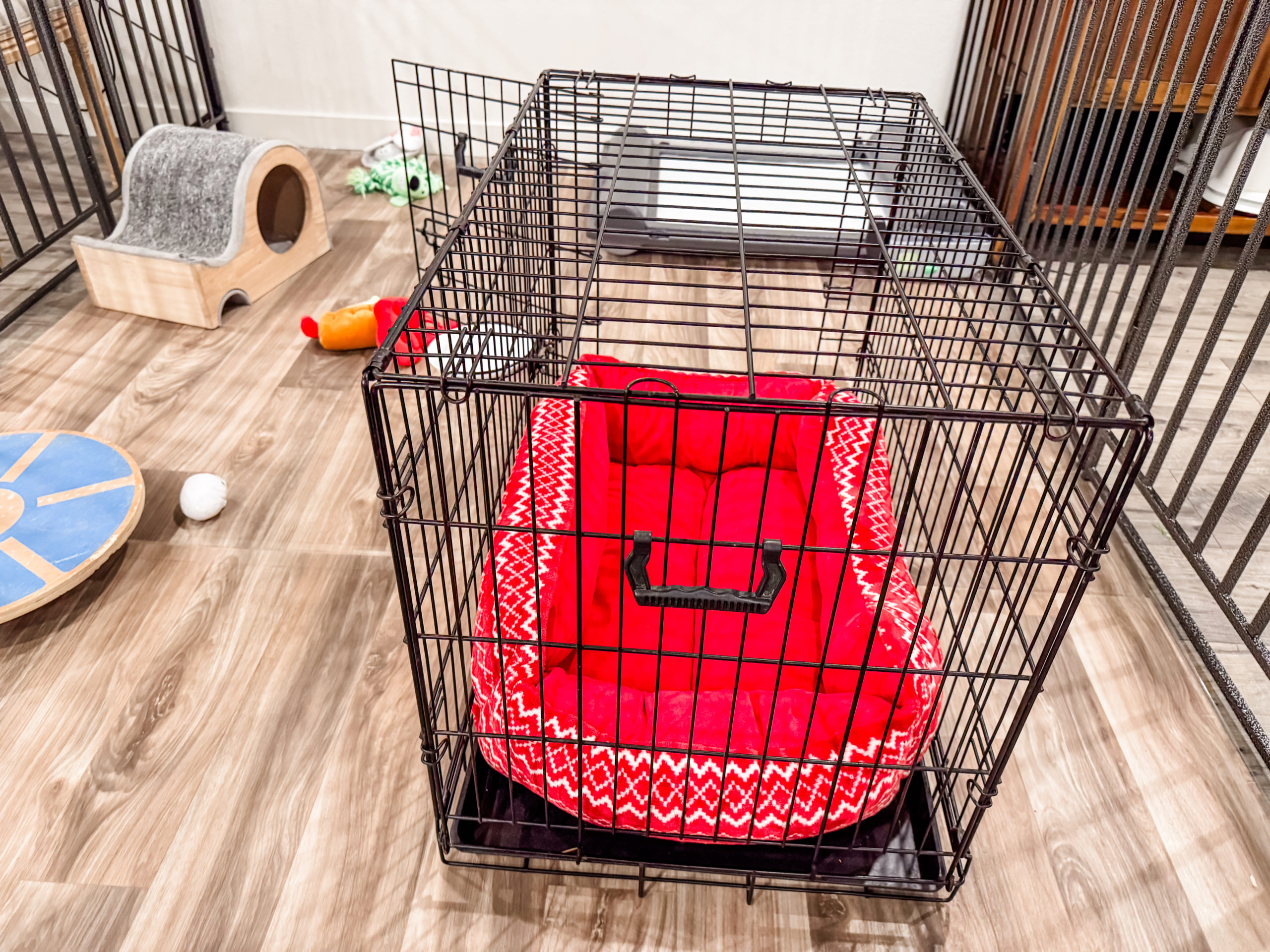
A crate is one of the most important tools you’ll use from day one—for rest, routine, and potty training. When set up well, it becomes a safe, calm space your puppy can rely on as they adjust to their new home.
Crate at a Glance
Why it matters:
- Supports potty training and routine
- Creates a safe, predictable space
- Helps your puppy learn to settle and rest
Size:
- Your puppy should be able to stand, turn, and lie down comfortably
- Avoid too much extra space (this can lead to accidents)
>> General guide:
- Wire crate: ~30″ x 22″
- Molded crate (e.g., Ruff Land Medium): ~27.5″ x 20.5″
Material: Wire vs. Hard Shell
Wire crates:
- More open and visible
- Often include dividers to adjust space as your puppy grows
- Great for most home setups
Hard shell (plastic):
- More enclosed, “den-like” feel
- Can be calming for some puppies
- Often preferred for travel
Price & Buying Used:
- Wire crates: typically $30–$80
- Hard shell crates: $250+
>>If buying used:
- Clean and disinfect thoroughly
- Use a diluted bleach solution to reduce risk of viruses (like Parvo)
Crate Bedding
For young puppies, I prefer a soft, fluffy bed—it helps them feel cozy and secure during those early days.
What to look for:
- Washable (you’ll use this often)
- Fits your laundry
- Not oversized (helps with potty training)
>> Budget tip:
You can often find great options at stores like Ross.
As your puppy grows:
- Transition to a thinner layer
- Bath rugs work very well (affordable, easy to wash, non-slip)
Towels:
- Can work in a pinch
- Puppies tend to move them around quite a bit
Your takeaway:
Keep it simple, safe, and comfortable. The crate should feel like a calm, secure place your puppy naturally wants to rest.
Playpen: The Foundation of Early Training
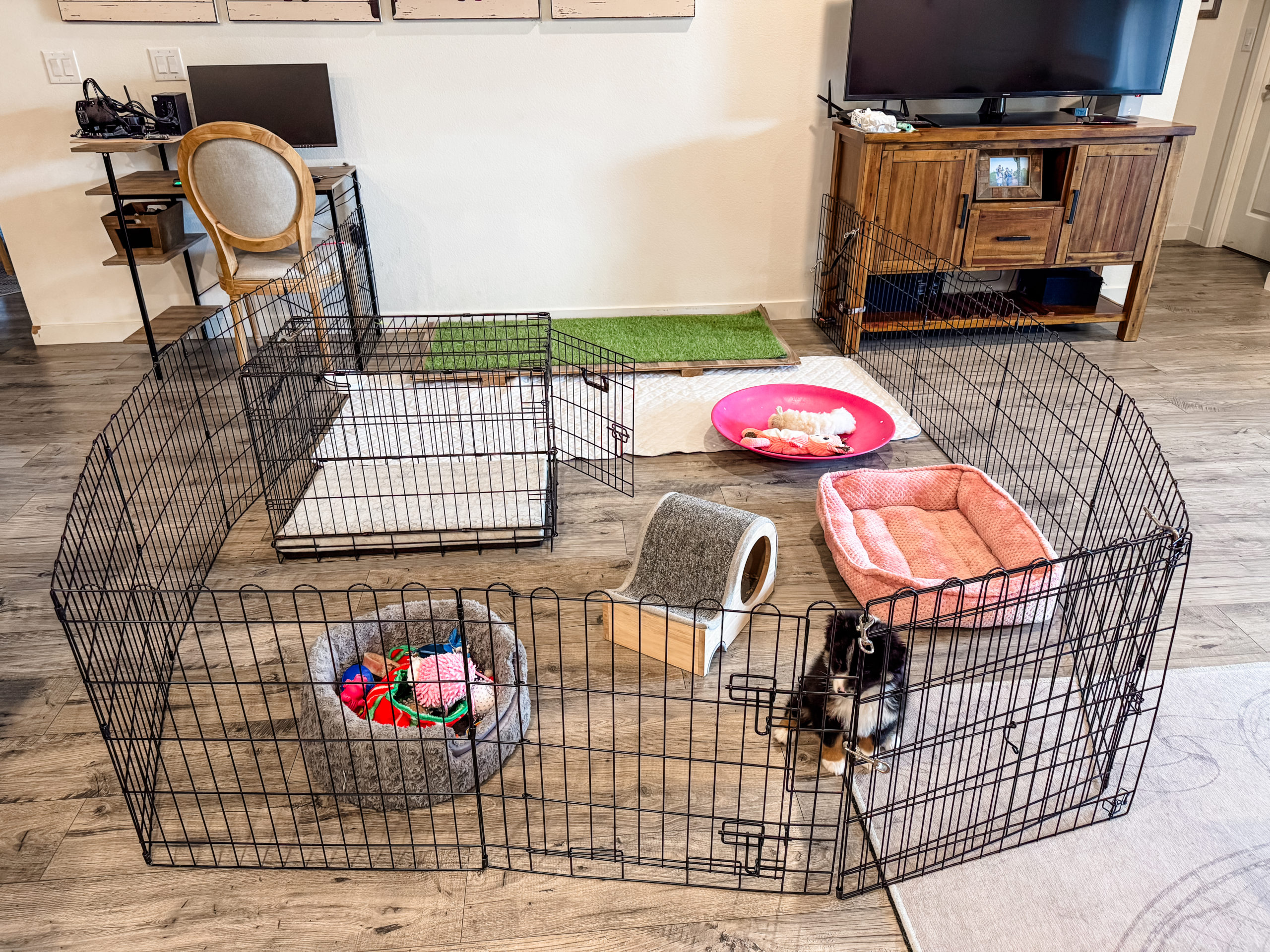
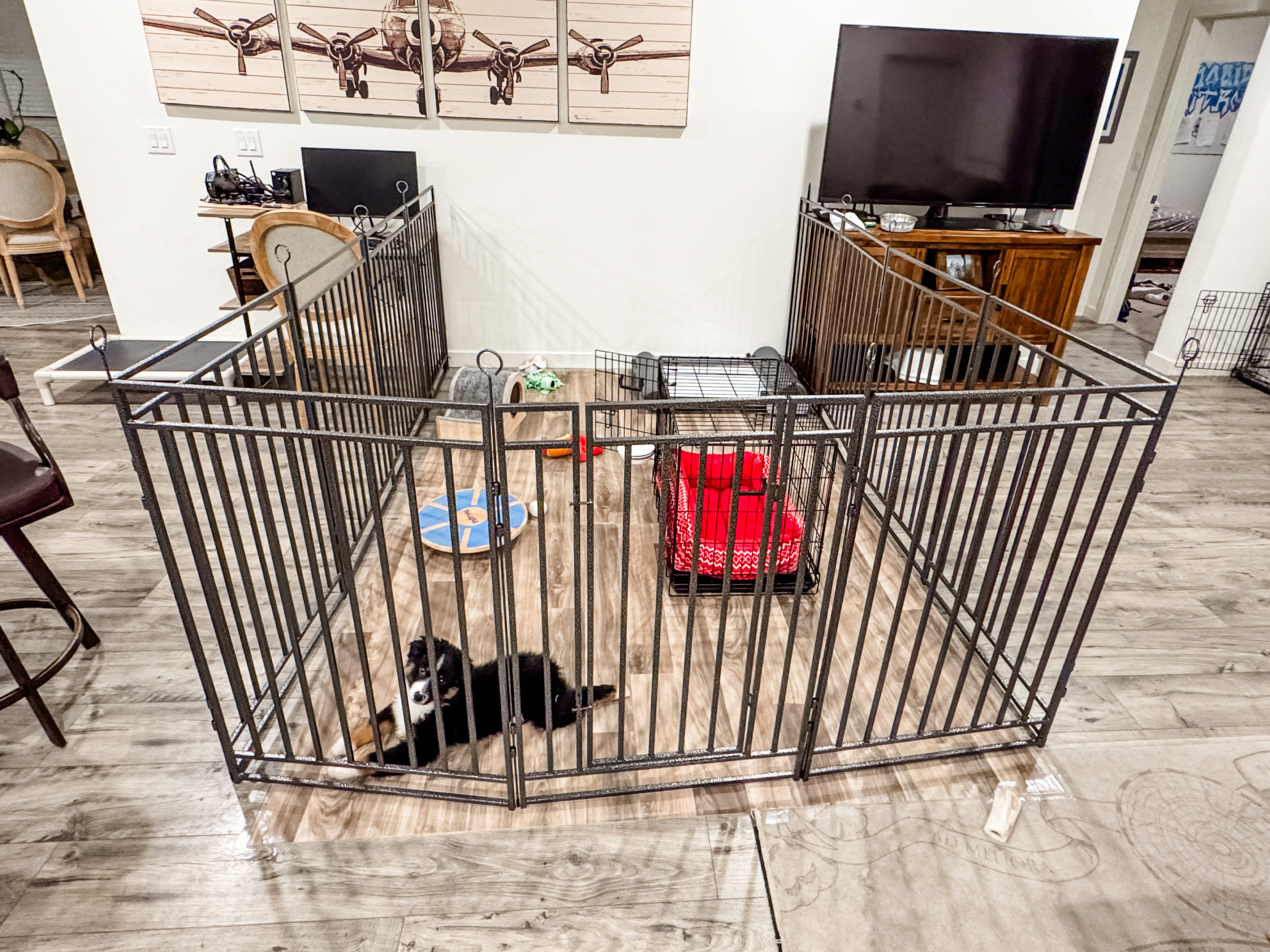
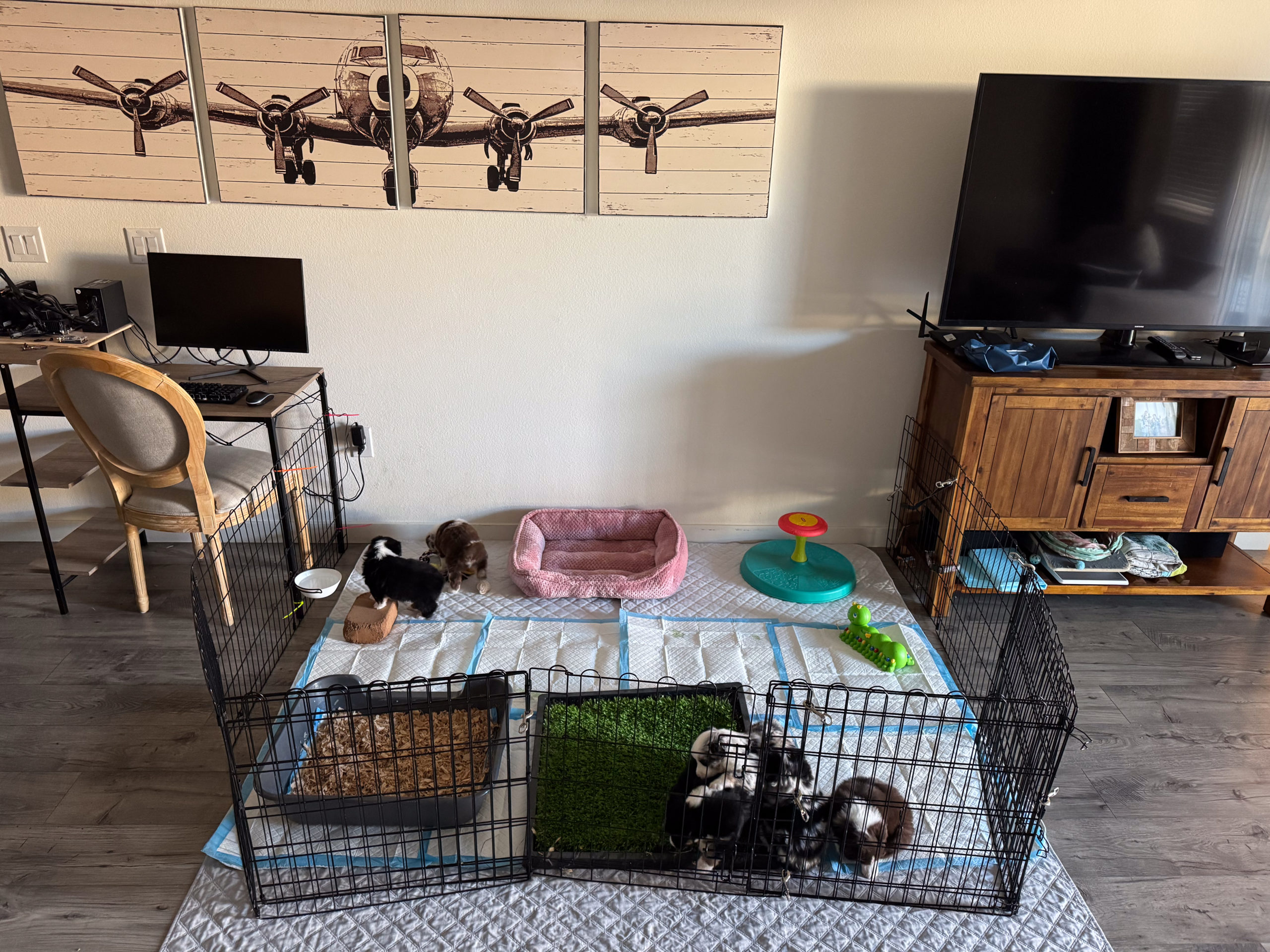
While many families consider skipping the playpen, we highly recommend including one as part of your puppy setup. A playpen creates a safe, controlled space where your puppy can play, rest, and begin learning independence—without having full access to the home too soon.
We use a playpen extensively during the early weeks and months (often up to 4–6 months of age). It helps establish routine, prevent accidents, and reduce unwanted behaviors like chewing or wandering. Simply put—it will make your life much easier.
Playpen at a Glance
Why it matters:
- Supports potty training and routine
- Prevents accidents and unwanted behaviors
- Creates a safe, predictable environment
- Helps your puppy build confidence and independence
What goes inside:
- Crate with bedding
- A few toys
- Water bowl
- Designated potty area
>> This setup creates a small “world” for your puppy that supports both training and comfort.
Size & basic setup:
- Typical setup: ~6′ x 10′ area with a 24-inch high playpen
- Most puppies do well with this size and height
- Common options (like Amazon Basics) are widely available
- Typical price range: $30–$60
>>Tip:
- Place the playpen on a stable surface
- Secure or stabilize the base to prevent movement
Upgrade if needed:
Some puppies—especially more active or agile ones—may learn to climb or jump out.
If that happens:
- Consider a taller or more enclosed pen
- Look for sturdier designs with less climbable structure
From experience, I prefer playpens that puppies cannot escape from, as this helps maintain consistency and prevents setbacks during training.
Floor protection:
- Place a sheet of linoleum (vinyl flooring) under the playpen
- Helps protect floors from accidents and moisture
- Makes cleanup much easier
A sheet this size typically costs $30–$60 at stores like Home Depot
Your takeaway:
A playpen creates structure, simplifies training, and helps your puppy succeed from the very beginning. It’s one of the most helpful tools you can have during the early months.
Want to learn more?
For a deeper look at how to use your playpen effectively, refer to Section 12 of your With Open Arms and a Level Head course.
A Consistent Start: Designated Potty Area
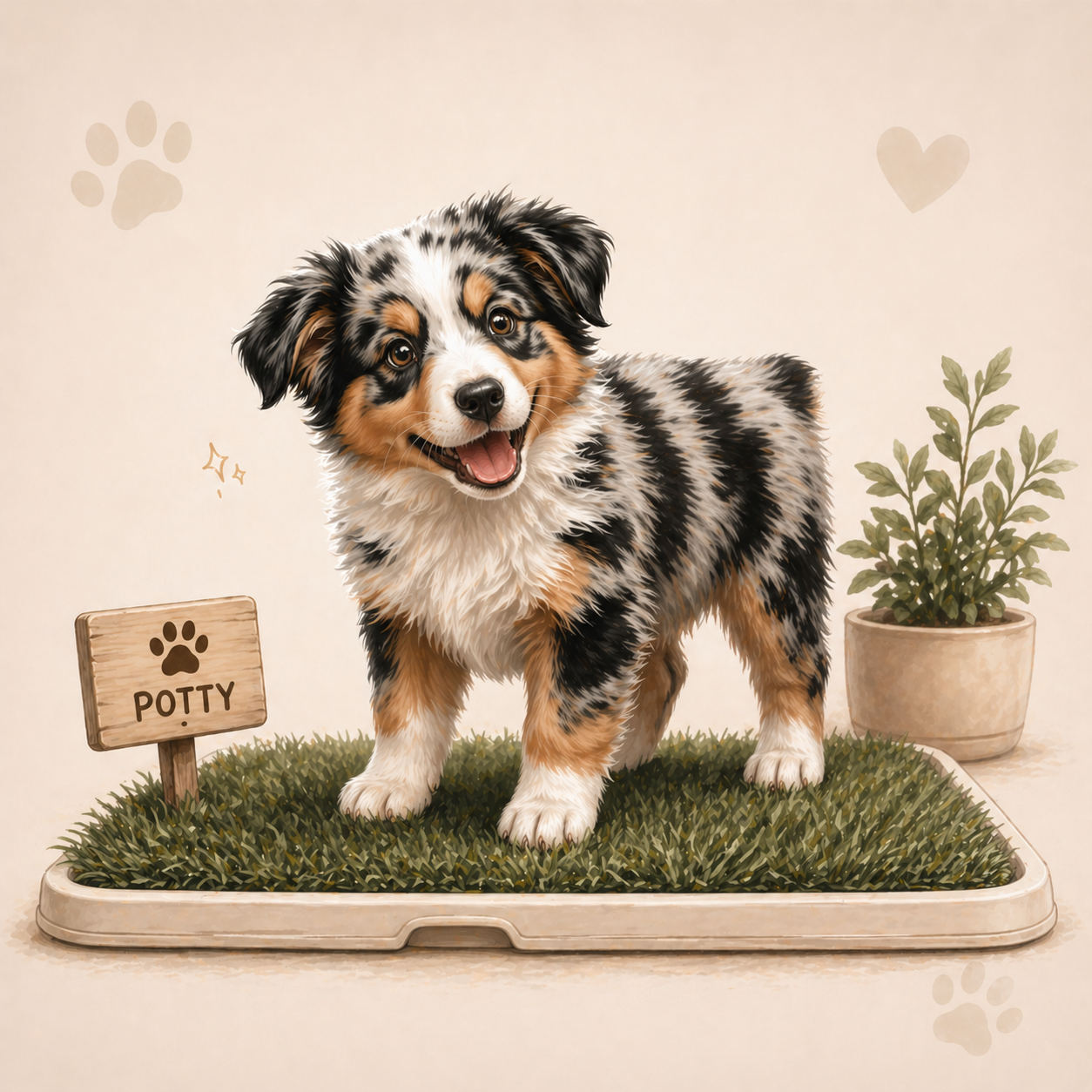
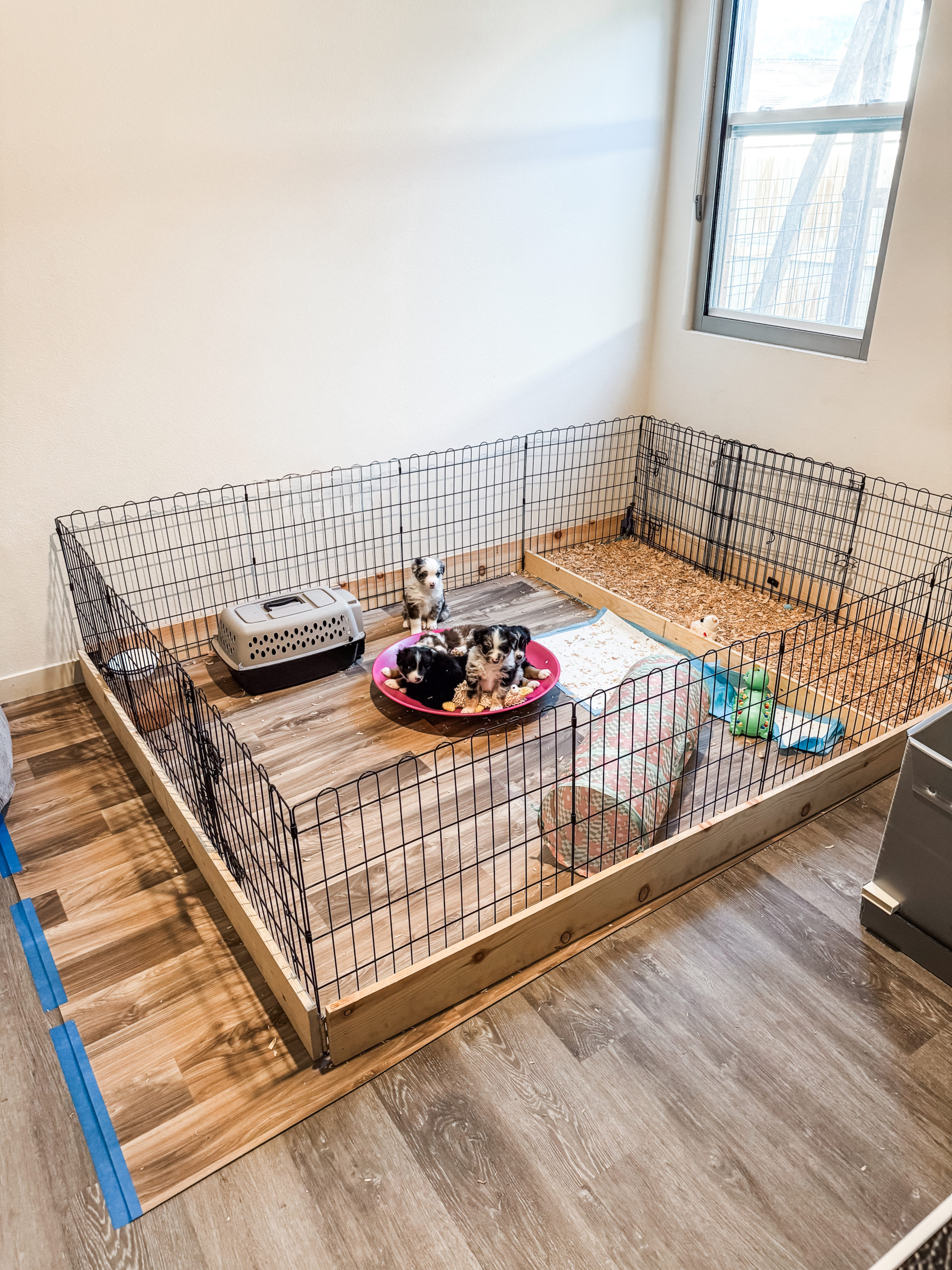
From the very beginning, our puppies are introduced to a designated potty area in their playpen—as soon as they start walking. This early exposure helps them clearly understand where to go, making the transition to house training much smoother when they arrive home.
Continuing this same setup during the first weeks is key. Consistency reduces confusion and makes it much easier to guide your puppy toward the right habits. Rather than expecting too much too soon, this approach gives your puppy a clear, achievable option and reinforces good behavior from day one.
Potty Area at a Glance
Why it matters:
- Creates a clear, predictable potty location
- Helps prevent accidents
- Builds good habits early
- Makes house training more manageable
Potty area options:
Choose what works best for your home and lifestyle
Pine shavings (we typically purchase from Tractor Supply)
✔ Very affordable (large bag ~$7)
✔ Absorbs both urine and stool well
⚠ Can stick to your puppy’s fur and be tracked around the house
Real grass patches (e.g., Fresh Patch)
✔ More natural transition to outdoor potty habits
✔ Helps contain urine odor reasonably well
⚠ Requires regular poop pickup
⚠ Typically need a larger size (~24″ x 24″)
⚠ Ongoing cost (~$40 every 2 weeks for delivery)
Artificial grass systems (e.g., Pet Loo)
✔ Great at controlling urine odor
✔ Reusable and practical for indoor setups
⚠ Initial cost around ~$70
⚠ Refills (trays + crystals) ~ $30 every ~3 months
⚠ Requires regular poop cleanup
⚠ Some puppies may move the patch
>> Tip: Have a second grass patch to rotate while cleaning
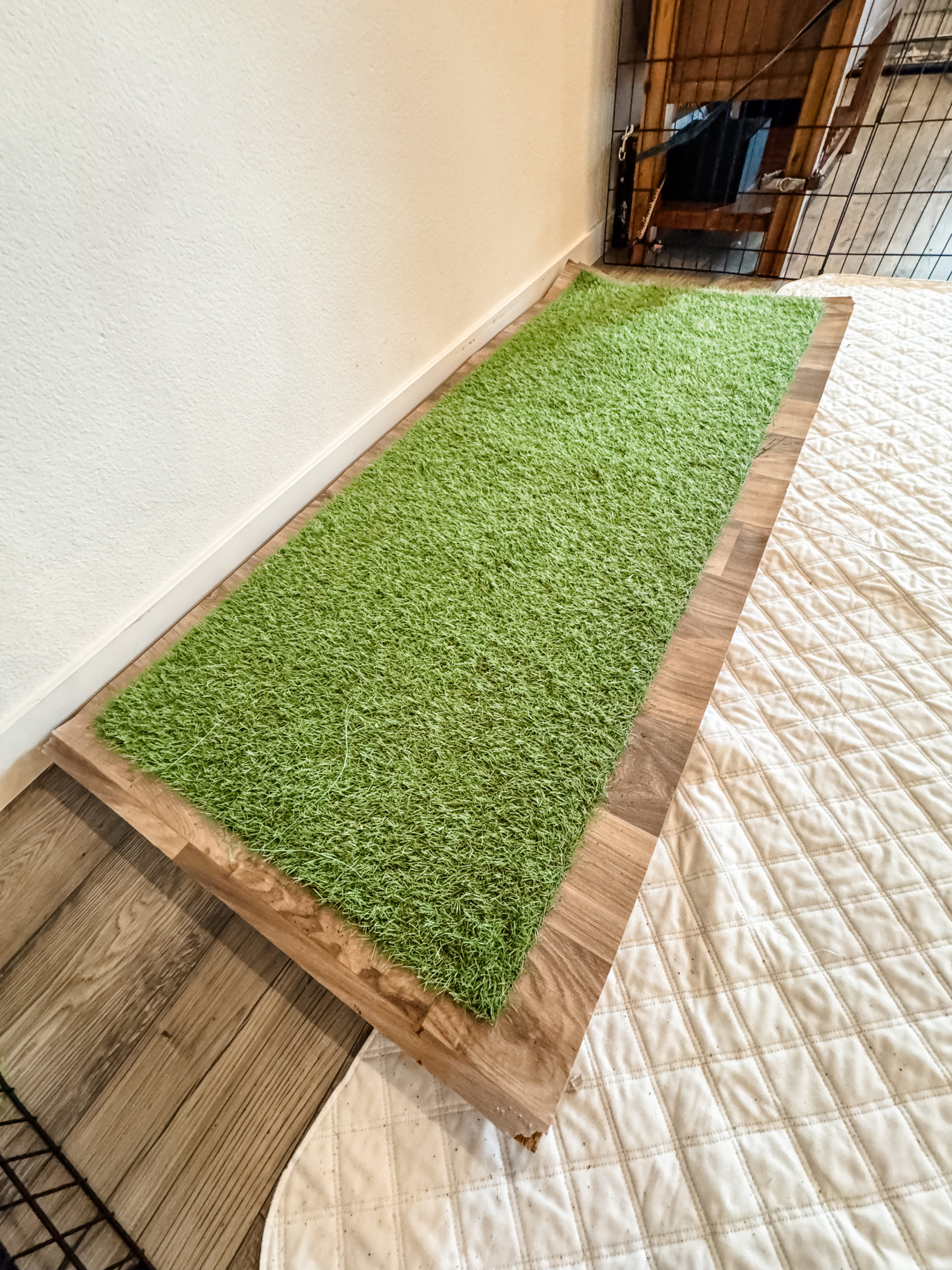
DIY setups
Wood base + linoleum + artificial grass
Space underneath for disposable pee pads
✔ Affordable and customizable
✔ Works very well with a bit of setup
From experience:
- The grass patch should be secured (drilled or fixed) to the base
- Otherwise, puppies may lift it and access the pads underneath
- Cleaning can take a bit more effort due to the setup
>> Tip: Have two grass patches to rotate for easier washing
Automatic systems (e.g., BrilliantPad, Weasy Smart)
✔ More advanced, technology-based options
✔ Self-cleaning features (rolling pads or urine collection systems)
⚠ More expensive
⚠ Can be more challenging to train puppies to use consistently
Your takeaway:
There is no single “perfect” option—the most important factor is consistency. Choose a setup that fits your space and routine, and stick with it. This will make a significant difference in how quickly and successfully your puppy learns.
Feeding & Nutrition
Miniature American Shepherds are a versatile breed and tend to do well on a variety of high-quality foods. Many—including Blue Belle—enjoy a diverse diet, so rotating flavors, protein sources, and adding fresh toppers can help keep meals both exciting and nutritionally balanced.
Feeding at a Glance
Current feeding schedule:
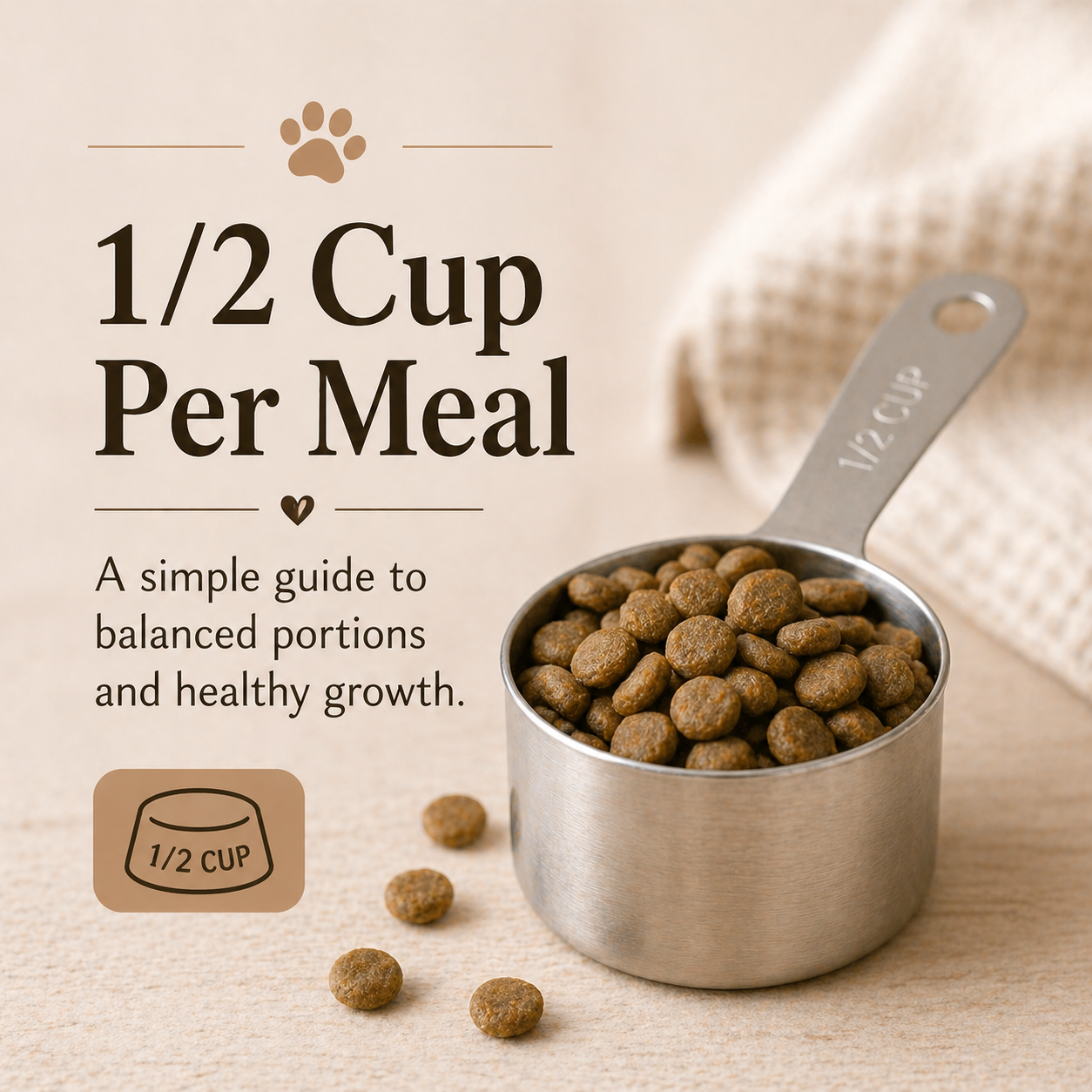
- 2 meals per day
~½ cup per meal (about 1 cup daily total)
>> Adjust based on your puppy’s growth and metabolism
What we are currently feeding:
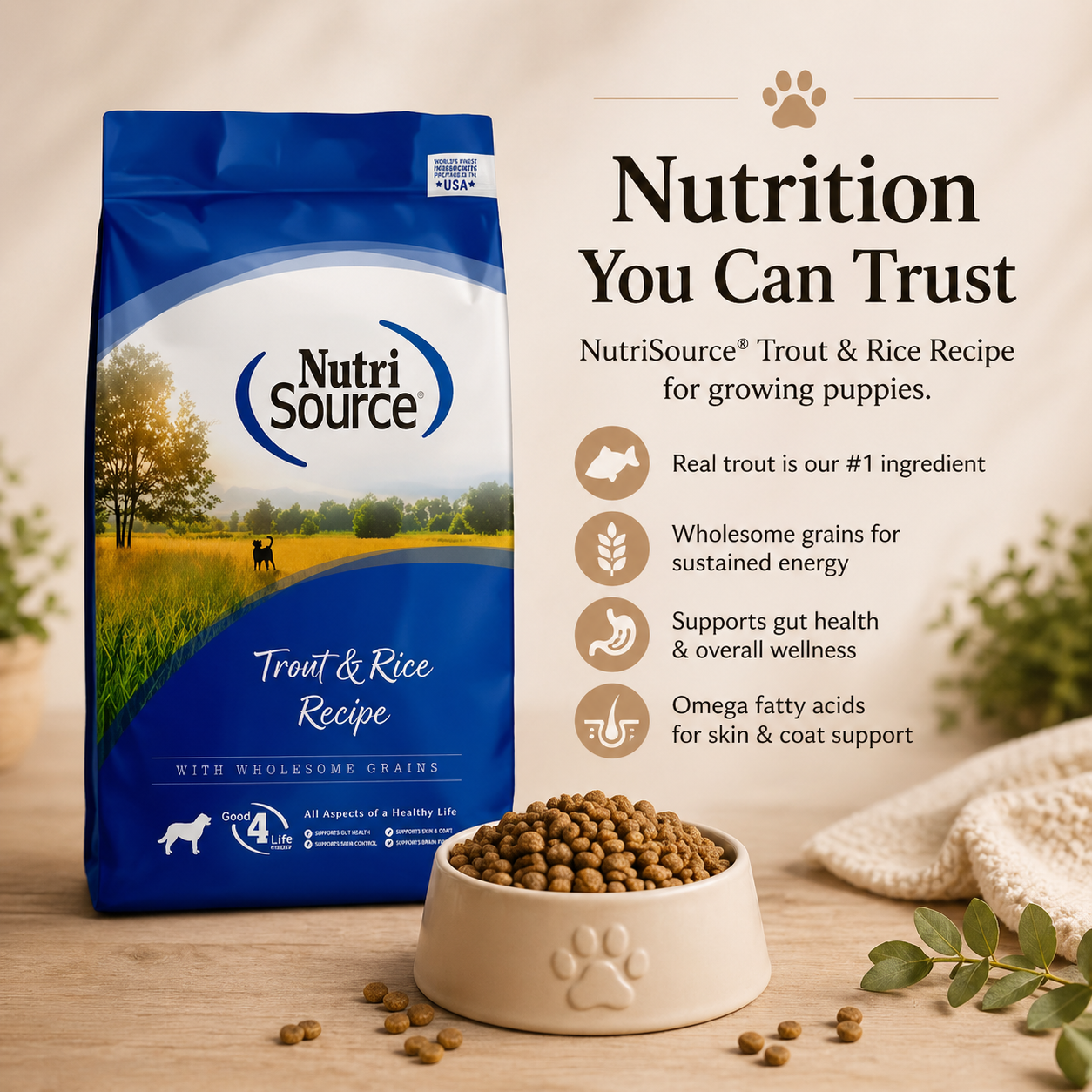
- All life stages kibble: NutriSource
- Trout & Rice
- Chicken & Rice
✔ Balanced for both puppies and adults
✔ Easy transition as your puppy grows
Fresh Food Toppers
We like to add small amounts of whole foods to support nutrition and make meals more appealing.
Favorites our puppies enjoy:
- Cottage cheese (small curd, whole milk)
- Raw hamburger (small amounts)
- Pumpkin purée
- Sweet potato or regular potato
- White rice
- Oats (cooked with water)
- Banana (often mixed with pumpkin or cottage cheese)
- Apple (pairs well with oats)
- Yogurt (plain, whole milk; A2 preferred if available)
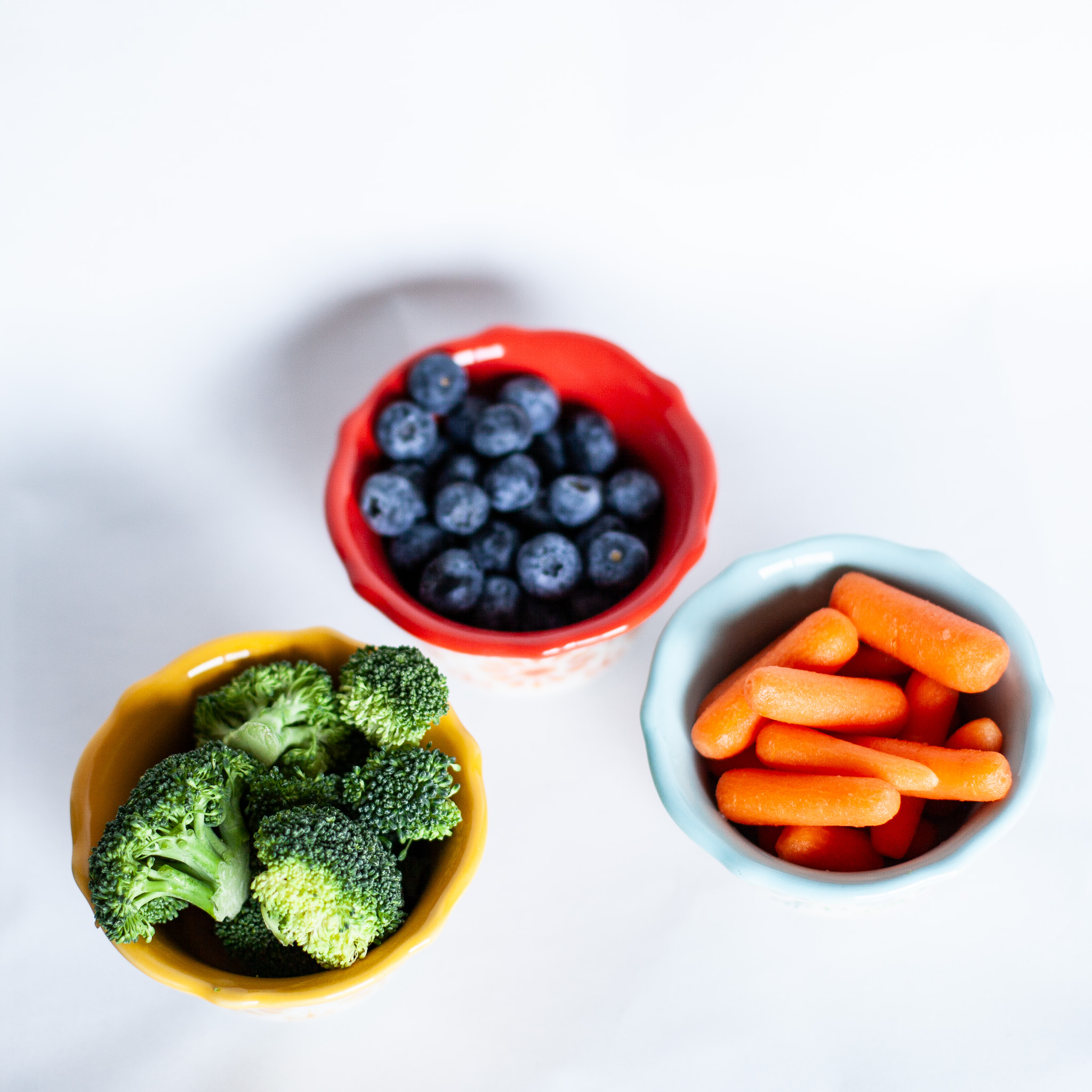
- Blueberries (often blended with yogurt)
Other options:
Carrots, broccoli, celery, cabbage, cantaloupe, strawberries, goat’s milk, almond butter (no added sweeteners)
>> Tip: If adding toppers or treats, slightly reduce kibble to maintain balance. Puppies often seem hungry—it’s easy to overfeed at this stage.
Protein Variety & Feeding Options
Most puppies do well rotating between high-quality protein sources such as lamb, beef, duck, bison, or venison.
Other kibble brands we like:
- FirstMate
- Taste of the Wild
- Zignature
We also support raw feeding, especially when using complete and balanced pre-made meals. Brands such as Albright and Halshan offer high-quality options, including puppy-specific formulas that we use intermittently. If you are local in Reno, you can source raw food at Running Wild Raw Food.
⚠ Raw feeding can be more costly and time-intensive, so it’s important to choose what best fits your lifestyle.
As Your Puppy Grows
- Adult dogs typically eat 1.5–2 cups per day
- A 30 lb bag lasts approximately 1.5–2 months
By around 6 months of age, many puppies can transition to once-daily feeding, though continuing twice-daily feeding is also perfectly appropriate long-term.
Our Approach
Dog nutrition can be a controversial topic, with a wide range of opinions on kibble, raw feeding, grains, and more. We recommend a balanced, individualized approach.
Personal note: I tend to avoid legumes in developing puppies (see Section 14 of With Open Arms and a Level Head for more details).
Supplements
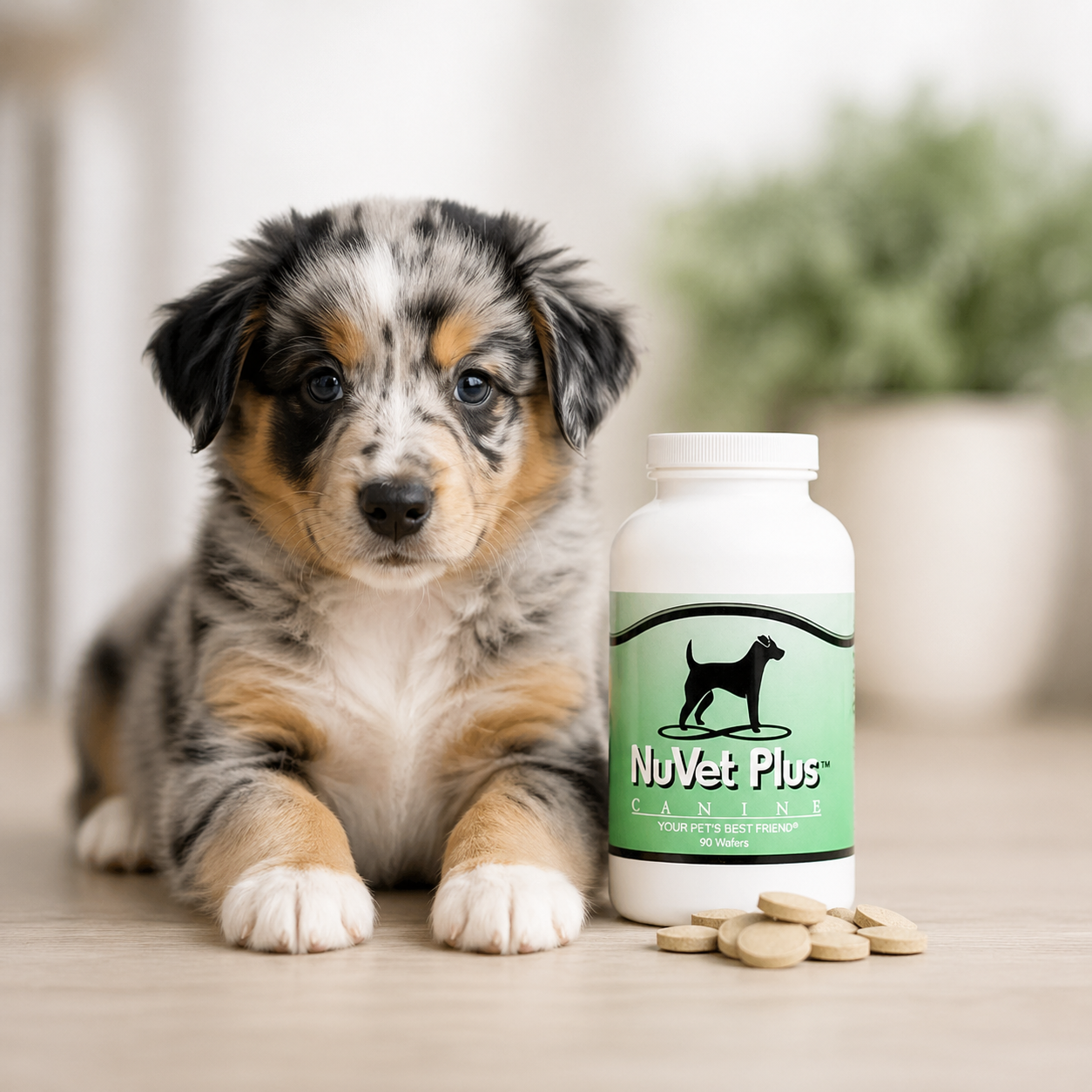
There is a wide variety of dog supplements available, and choosing the right one can feel overwhelming. In our program, we use NuVet Plus wafers for both puppies and adult dogs.
Benefits include:
- Supports immune system
- Promotes a healthy coat and skin
- Supports growth and development
- Helps maintain dental health
While a balanced diet is the foundation, a quality supplement can help fill small nutritional gaps and provide additional support during key stages such as growth and training. We have been very happy with the consistency and results we’ve seen using this supplement.
>> If you are interested in continuing this supplement, I am happy to share our breeder discount code.
Your takeaway:
Keep feeding simple, balanced, and consistent. Focus on quality ingredients, adjust based on your puppy, and choose an approach that fits your lifestyle.
If you have any questions or need help sourcing food, please feel free to reach out—I am always happy to help.
Collar, Harness, Bowls, Treats & Clicker
There are many options for these everyday items, and it can feel overwhelming at first. At this stage, the goal is simple: keep things safe, practical, and flexible, knowing your puppy will grow quickly.
Essentials at a Glance
Harness
- Choose a lightweight, well-fitting harness
- Avoid investing in expensive options early (puppies outgrow them quickly)
- Front-clip harnesses can be helpful for early leash training and reducing pulling
Collar
- Look for soft, comfortable materials
- Avoid rough edges or stiff designs
- Leather collars with smooth edges are a great option
- Martingale collars can be useful for training and gentle control
Bowls
- Stainless steel bowls are durable and easy to clean
- A slow feeder bowl is highly recommended
- Helps slow eating
- Makes mealtime more engaging
>> Always keep fresh water available in the playpen and clean bowls daily
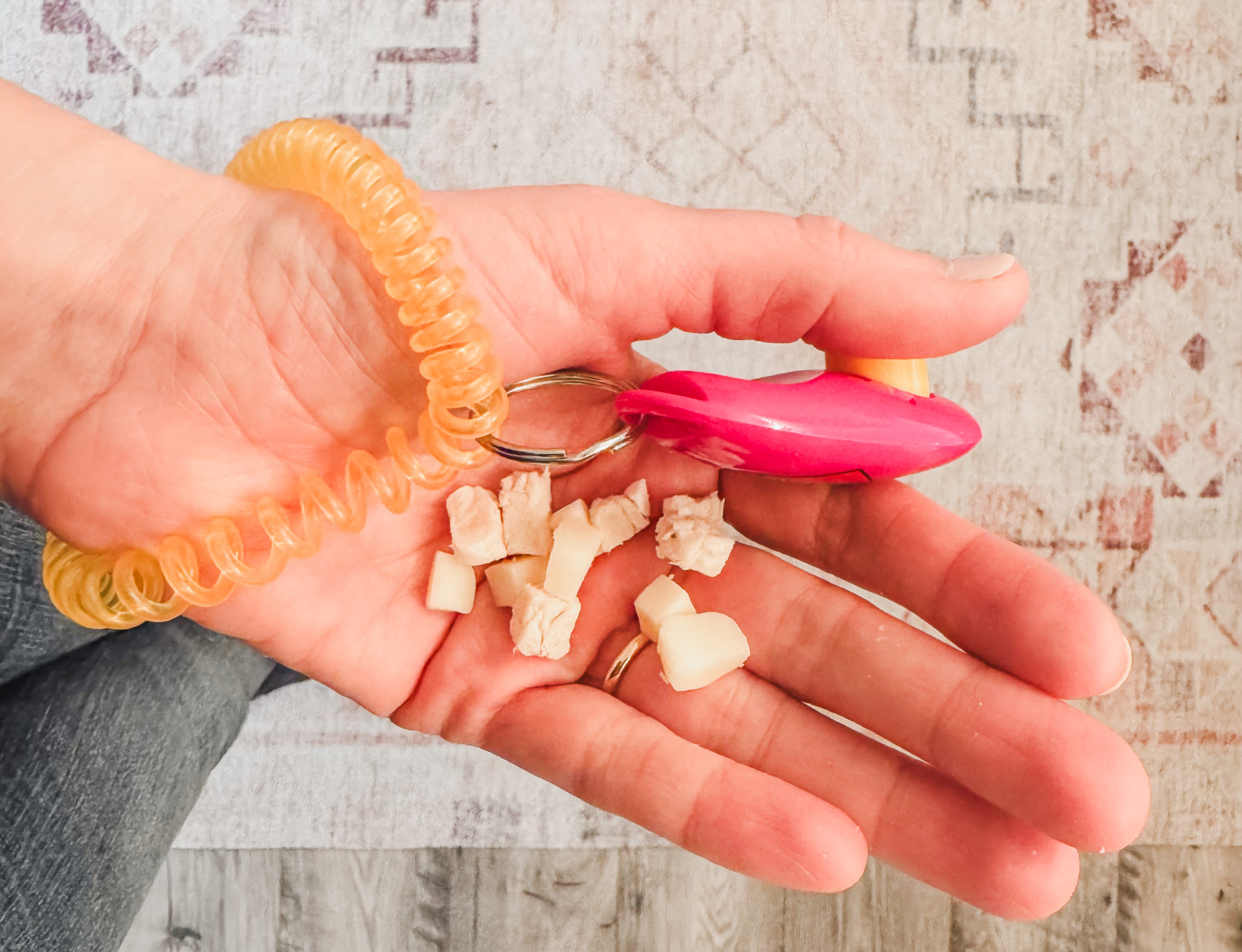
Treats (Getting Started)
Treats will be a key part of training and communication.
Start with small, soft, high-value options:
- Boiled chicken (no salt)
- Small pieces of steak (no salt)
- Tiny bits of cheese
- Occasional small pieces of hot dog
Keep treats very small so you can reward often without overfeeding
(There will be a more detailed treats section later in this guide.)
Clicker
Each puppy will go home with a clicker, which we use as part of early training and communication. This tool helps create clear, consistent communication and will support your training at home.
Your Takeaway
Keep it simple and practical. Your puppy’s needs will change quickly, and these tools are meant to support learning, comfort, and clear communication—not to be perfect from day one.
Thank you for trusting us to be part of this special journey. The time and care you invest now will create a strong foundation for the days ahead. If any questions come up along the way, please feel free to reach out—we are here to support you every step of the way.
Thank you for trusting us to be part of this special journey. The time and care you invest now will create a strong foundation for the days ahead. If any questions come up along the way, please feel free to reach out—we are here to support you every step of the way.