

The Journey Behind the Badge
“You may never know the gift your dog has to share until you give them the chance.”
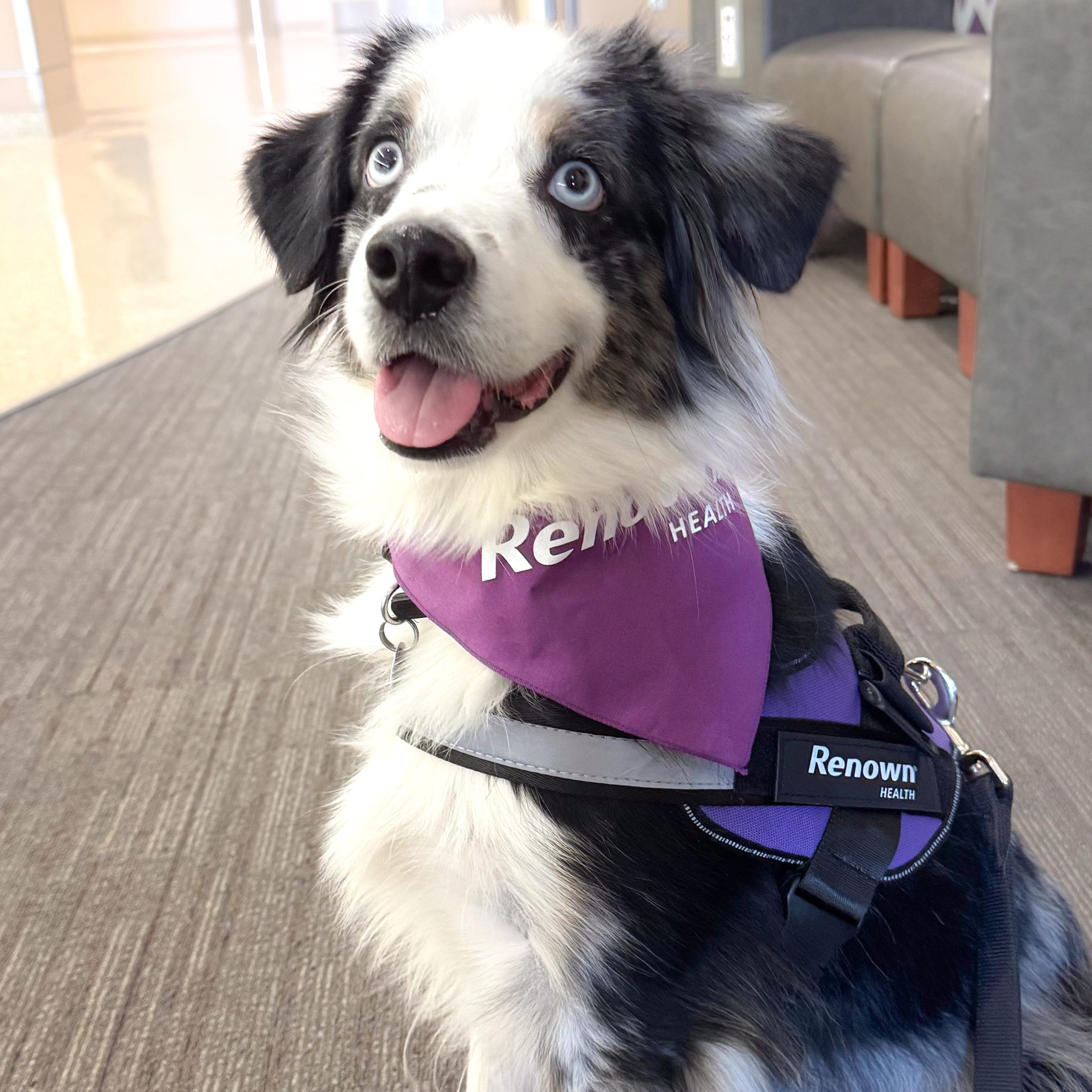
When people see Blue Belle walking through the hospital with her therapy dog badge, they often imagine that becoming a therapy dog must have come naturally to her. The truth is that the journey was a little more gradual than that.
Blue Belle was not an instant therapy dog. Like many dogs, she needed time to mature, develop confidence, and complete the training that prepares a dog for this kind of work. At one point, I even wondered if therapy work might not be the right path for her after all.
What I later learned is that this is actually very common. Many therapy dogs begin their work later in life, once they reach a level of maturity that allows them to comfortably navigate busy environments, new people, and unexpected situations. Some dogs naturally gravitate toward people and adapt quickly, while others grow into the role more gradually.
Today, watching Blue Belle calmly greet people and bring smiles wherever she goes, it’s easy to see how meaningful the journey has been — not just for the people she visits, but for us as well.
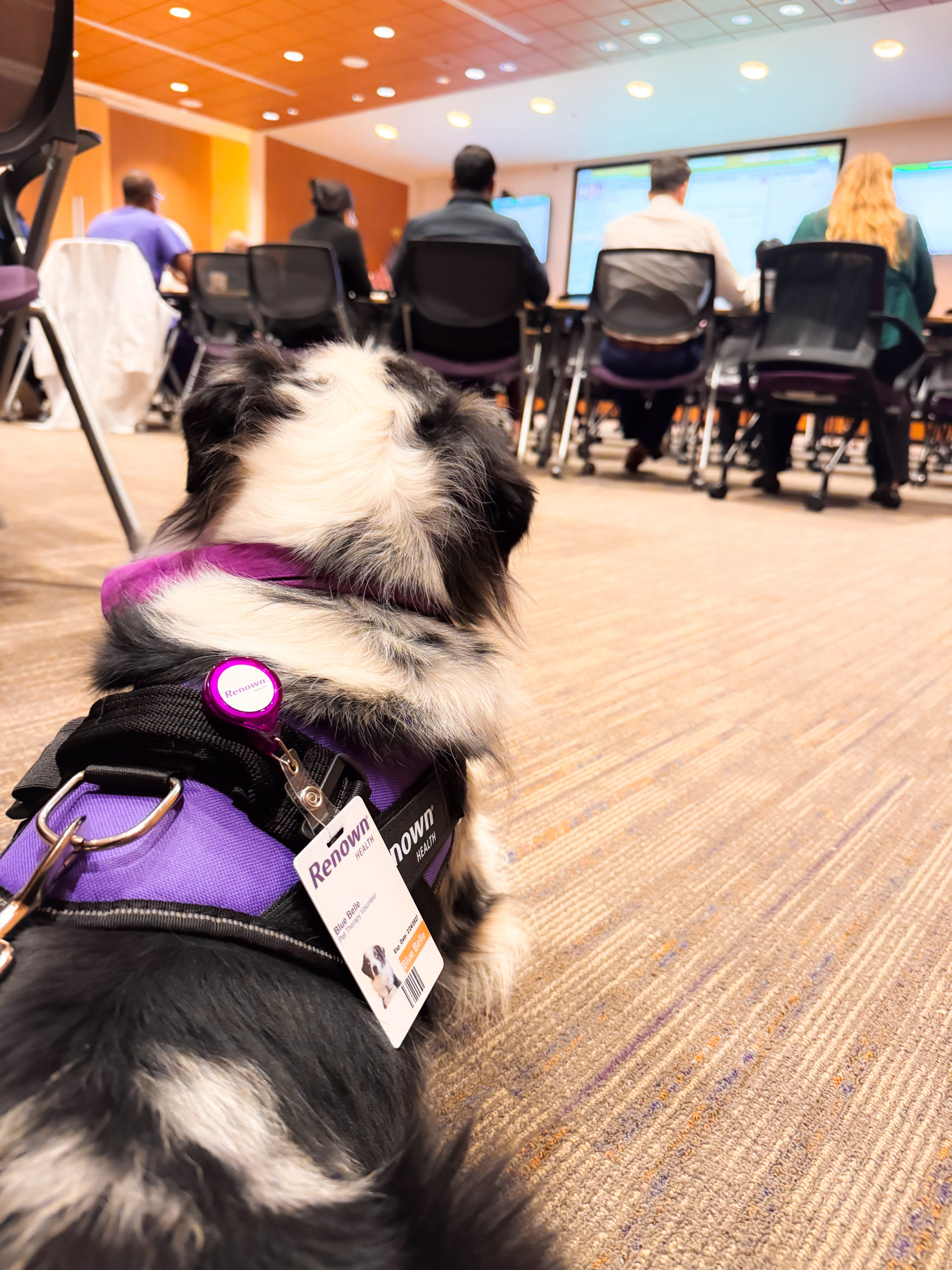
What Is a Therapy Dog?
A therapy dog is a well-trained dog that, together with its handler, visits places such as hospitals, nursing homes, schools, and community programs to provide comfort, connection, and emotional support to others. Unlike service dogs, which are trained to assist a specific person with a disability, therapy dogs work with many different people during volunteer visits. Their calm temperament, good manners, and love for human interaction allow them to bring moments of joy, relaxation, and companionship to people who may be going through illness, stress, or difficult times.
Step 1: The Right Temperament
The most important quality of a therapy dog is temperament. Therapy dogs regularly interact with many different people in unfamiliar environments, so they must be naturally calm, confident, and friendly. A good therapy dog enjoys meeting new people, is comfortable being gently touched by strangers, and can remain relaxed even in busy or unpredictable settings.
Some breeds are often considered classic therapy dog candidates because of their gentle and people-oriented nature. Golden Retrievers, Labrador Retrievers, Cavalier King Charles Spaniels, and Poodles are frequently seen in therapy programs. However, therapy dogs can come from many different breeds—and even mixed breeds—as long as the individual dog has the right temperament.
It’s also important to remember that many dogs grow into this role with maturity. Young dogs are naturally energetic, which can make therapy work challenging at first. For this reason, many therapy dogs begin their work later in life—often after age four or five—once they have developed a calmer and more settled demeanor.
Step 2: The Training Path: From Basic Obedience to CGC
Along with the right temperament, therapy dogs must also be well mannered and well trained. Strong foundation skills such as walking calmly on a leash, sitting, lying down, staying in place, and greeting people politely without jumping—are essential.
Basic obedience training is highly recommended for all puppies, whether or not they eventually pursue therapy work. Programs such as AKC STAR Puppy can be a wonderful starting point, introducing young dogs to early socialization, basic skills, and positive training habits.
As dogs mature, many training schools offer progressive obedience classes that build on these foundations, often culminating in the Canine Good Citizen (CGC) test. The CGC is a standardized evaluation developed by the American Kennel Club that measures a dog’s manners and reliability in everyday situations.
During the CGC evaluation, dogs are tested on ten specific skills, including accepting a friendly stranger, sitting politely for petting, walking calmly on a loose leash, coming when called, staying in place, and remaining well-behaved around other dogs and everyday distractions. Because these skills are important for safe public interactions, many therapy organizations require dogs to pass the CGC before moving forward with therapy certification.
CGC testing is widely available and can often be completed at local training facilities, obedience schools, and many dog shows. For many handlers, working toward CGC provides a clear and rewarding training path while preparing their dog for therapy work.

Step 3: The Certification Process
Once a dog has the right temperament and a solid training foundation, the next step is becoming certified as a therapy dog team. This process can vary depending on the therapy organization and the institutions where you plan to volunteer. Many hospitals, schools, and care facilities require therapy teams to be registered through a recognized therapy dog organization, which typically provides liability insurance and establishes safety standards for visits.
Most therapy organizations have a structured certification process for both the dog and the handler. For example, we worked with Alliance of Therapy Dogs, which requires a background check for all handlers, a veterinary health screening including an annual fecal test, and a series of three supervised one-hour visits with an approved evaluator. These visits allow the organization to observe how the dog and handler interact with people in real environments and ensure the team is ready for therapy work.
Organizations also expect dogs to be healthy, well groomed, and up to date on vaccinations. During the evaluation process, dogs are observed for their ability to remain calm around medical equipment, wheelchairs, sudden movements, and unfamiliar people. Handlers are also assessed on their ability to read their dog’s body language and advocate for their dog’s comfort.
Once approved, therapy teams maintain their status through yearly membership and health updates. With Alliance of Therapy Dogs, the annual membership fee is relatively modest—about $45 per dog per year—and includes liability insurance coverage during therapy visits.
While requirements may vary among organizations, the overall goal is the same: ensuring that therapy visits remain safe, positive, and beneficial for both the people receiving them and the dogs providing comfort.
Step 4: Choosing What Type of Therapy Work You Will Do
An important step many new handlers don’t initially consider is choosing the type of therapy work that will be the best fit for both you and your dog. Therapy dogs serve in many environments, including hospitals, nursing homes, schools, libraries, rehabilitation centers, and community programs. Each setting has its own atmosphere and expectations. Some dogs thrive in lively environments with many people to greet, while others feel more comfortable in quieter spaces with more predictable interactions.
Therapy work also involves a meaningful commitment. It requires ongoing training, continued socialization, and a willingness to dedicate time to regular visits. Many programs ask handlers to maintain certification requirements and follow the guidelines of the facilities they visit. Visits are typically logged through the therapy organization for liability purposes and can also count toward AKC Therapy Dog titles such as Therapy Dog Novice (THDN), Therapy Dog (THD), Therapy Dog Advanced (THDA), and Therapy Dog Excellent (THDX).
While visits themselves may be relatively short, preparation, travel, and scheduling are all part of the experience. Successful handlers also learn to observe their dog carefully and prioritize their dog’s comfort and well-being. For many teams, the rewards far outweigh the commitment, as the simple presence of a friendly dog can bring meaningful moments of comfort and connection.
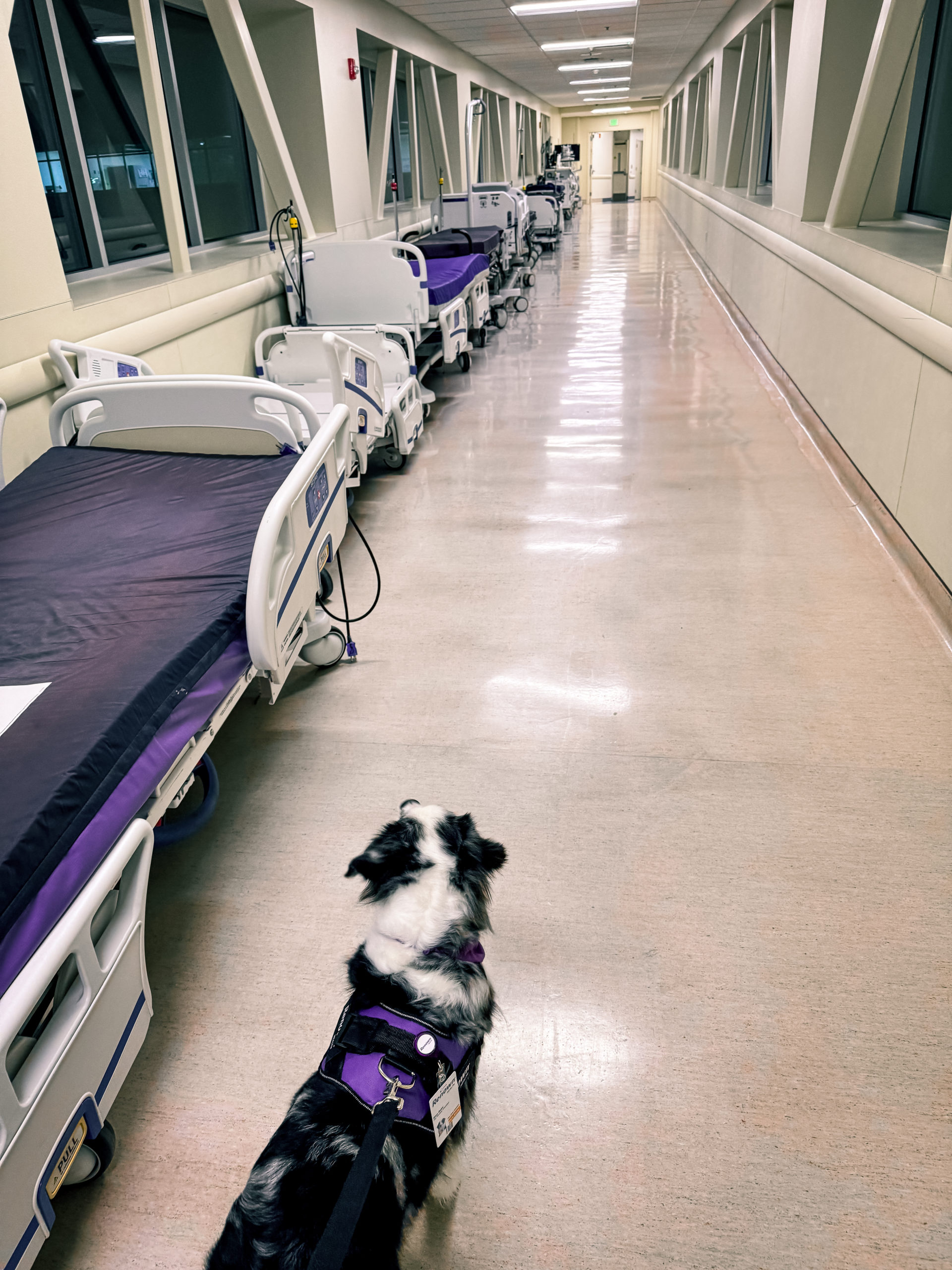
Could your Dog Become a Therapy Dog?
Therapy work is a beautiful way for dogs and their handlers to share comfort, connection, and simple moments of joy with others. Not every dog will enjoy this type of work—but many dogs have the potential to grow into wonderful therapy partners with the right temperament, training, and maturity.
If your dog loves meeting people, remains calm in new environments, and seems to brighten every room they enter, therapy work may be a path worth exploring. Sometimes the smallest visit—a wagging tail, a gentle nudge, or simply a quiet presence—can make someone’s day.
And if you’re not sure whether therapy work is the right path for your dog, it may still be worth exploring. The training and socialization involved are valuable for any dog, often leading to a calmer, more confident, and well-mannered companion. Even if therapy work ultimately isn’t the right fit, the journey itself can be rewarding for both you and your dog.
At EverSummer Minis, we place a strong emphasis on temperament and early training foundations. Our goal is to raise dogs that are thoughtful, well-balanced companions, and we always hope that some of our puppies may one day have the joy and privilege of sharing their kindness with their communities.
Who knows—your dog might just have a special gift to share.
“The best therapy sometimes comes on four paws.”