An Unexpected Sport With Lasting Lessons
“It looks like a dog show—but it feels like growing up.”
Do you have a child who loves dogs and enjoys activity, structure, or friendly competition? Are you a parent searching for an activity that helps your child develop confidence, resilience, and real-world skills?
When families think about sports or extracurriculars for their children, dog showing rarely comes to mind—but perhaps it should. Junior handling blends teamwork, responsibility, and confidence-building in a uniquely powerful way.
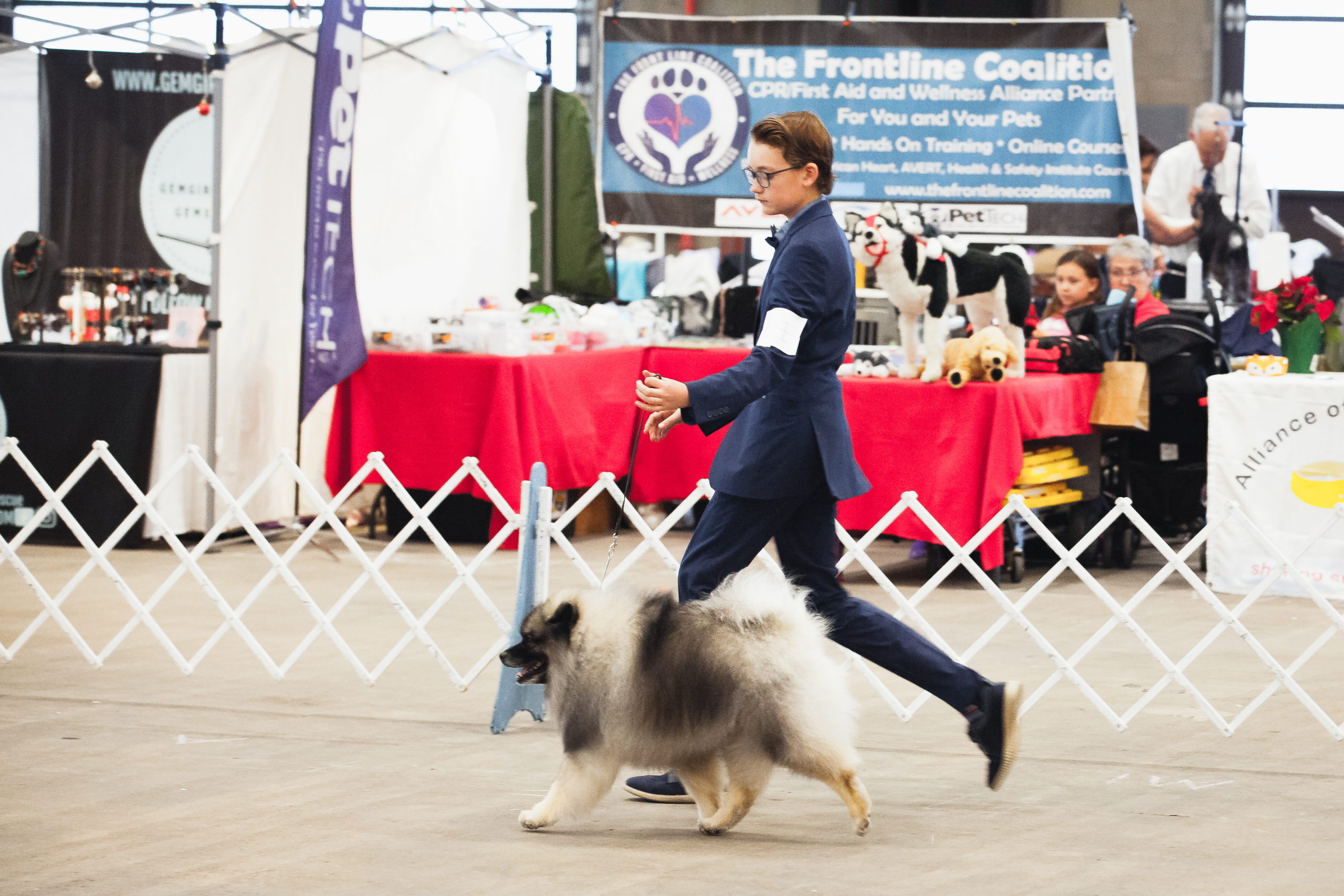
Children learn how to set goals, practice consistently, process feedback with grace, and develop true sportsmanship—often while dressed up and presenting themselves with the same polish and professionalism adults bring to an important meeting. They learn to listen, adjust, and try again, all while building a deep partnership with their dog.
As an adult who has served on many interview committees and sat through countless professional meetings, I’ve come to realize that the skills I value most in candidates are the very ones dog showing teaches so well. Showing dogs asks children to receive feedback—sometimes disappointing or unexpected—from a judge, adjust their approach, and move forward without losing respect or hope. Along the way, kids learn tangible skills like grooming, handling, managing a show lead, and properly positioning a dog, but they also learn something deeper: They learn how to be courteous, composed, and respectful to others, even under pressure. These are life skills that extend far beyond the show ring, shaping how children carry themselves in school, future careers, and everyday interactions.
For many families, dog showing becomes more than a hobby; it becomes a shared journey that teaches real-life skills well beyond the show ring.
A Competition Designed for Kids
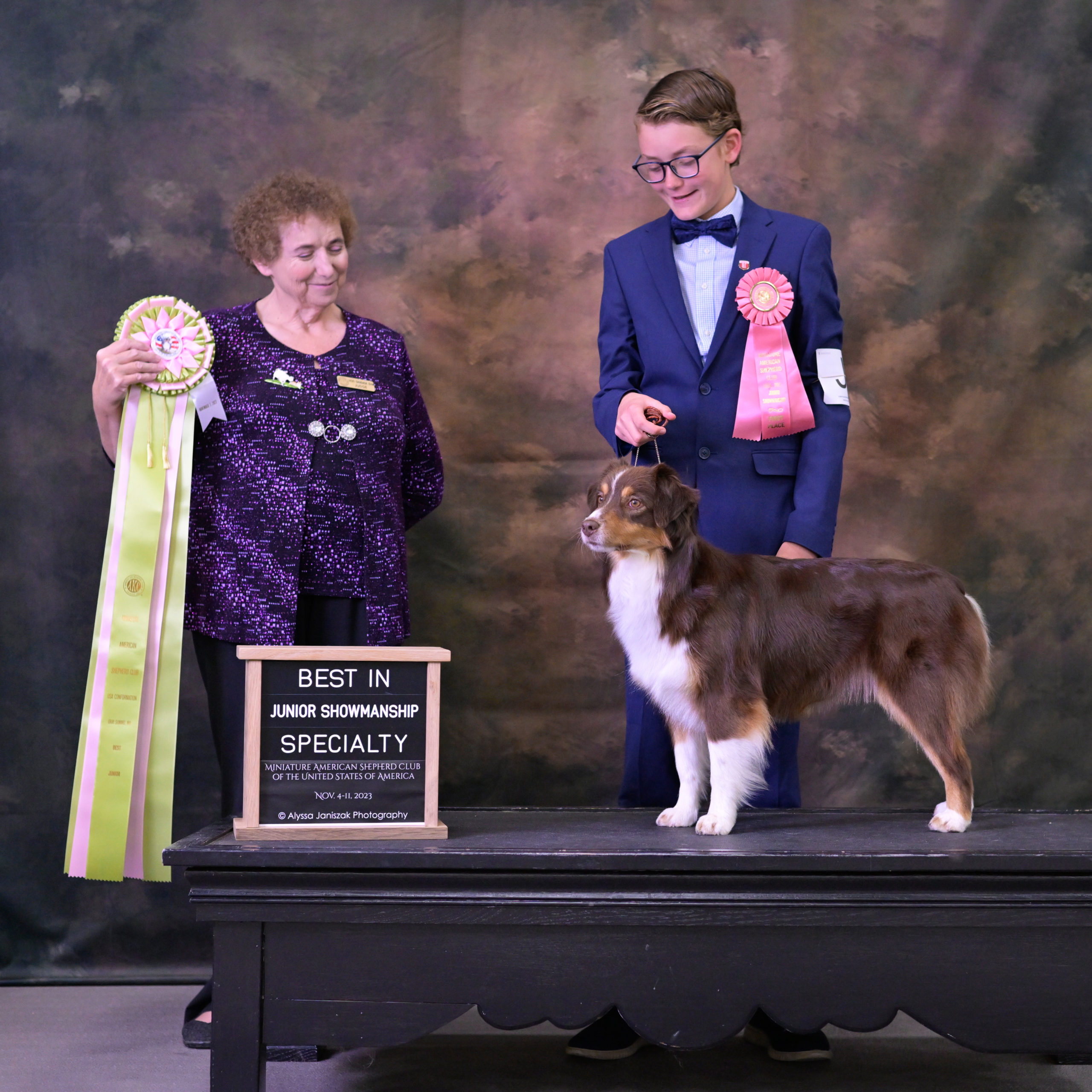
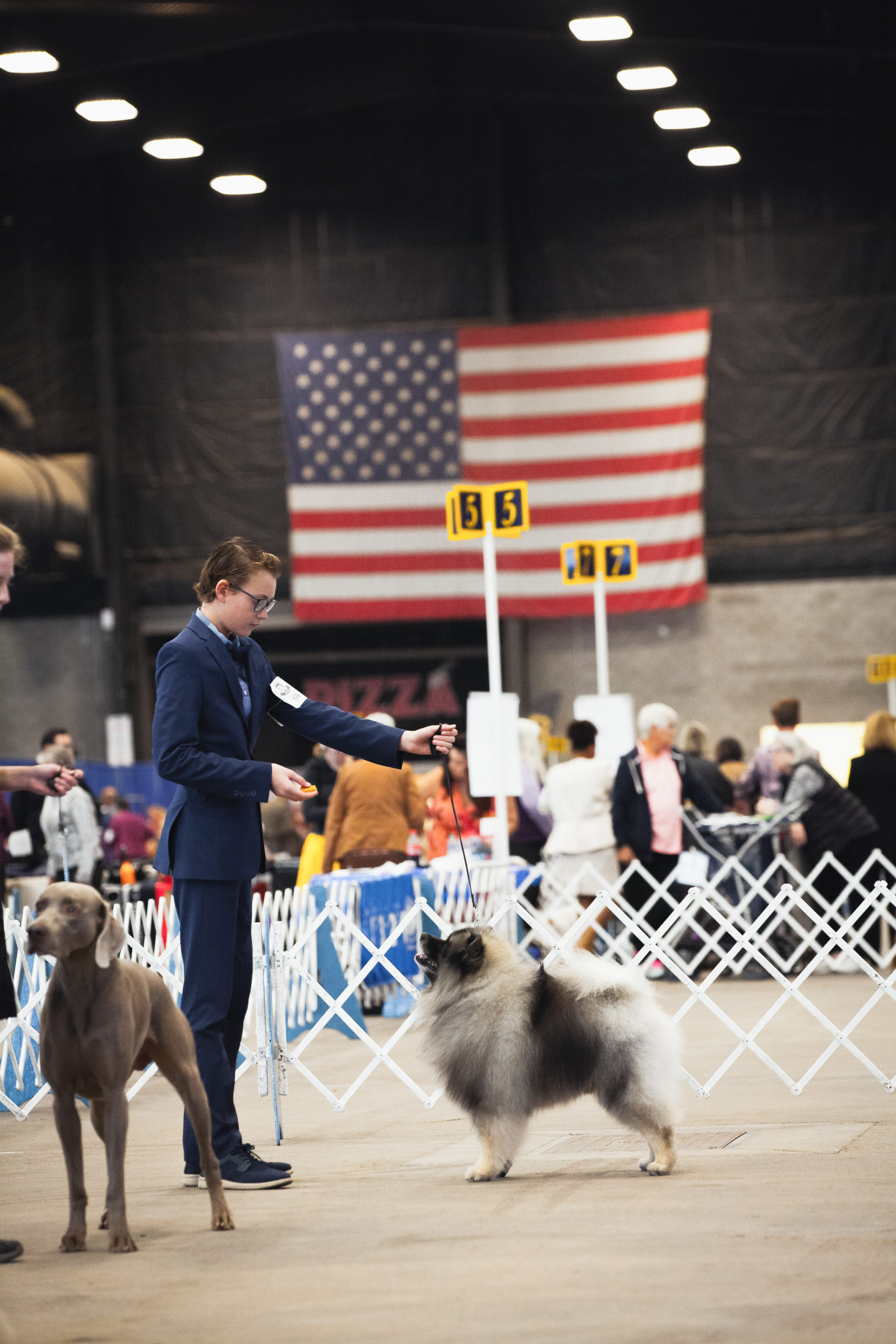
Junior Handler competition is an AKC sport held at most dog shows that brings a child and their dog into the ring as a team. Children ages 9 to 18 are aligible to compete. The focus is on the child—not the dog—with judges evaluating handling skills such as presentation, control, ring patterns, knowledge, and responsiveness.
Junior Handler competition is structured to allow children to grow at their own pace, much like youth swimming or other individual sports that use age groups and experience-based advancement. Juniors compete within age divisions—Junior Division (typically ages 9–12), Intermediate Division (13–15), and Senior Division (16–18)—so children are evaluated alongside peers at a similar developmental stage. Within each age group, handlers may compete in Novice or Open classes, depending on their experience and accumulated wins. Much like earning qualifying times or points in swimming, juniors advance as they gain experience, confidence, and success in the ring. This system keeps competition fair and encouraging, while allowing children to build skills gradually and enjoy the journey without pressure to advance too quickly.
When it comes to timing, many families find that around eight years of age is a wonderful “golden window” to begin this journey. Starting at this age allows time for both the child and the puppy to grow together—building basic skills, confidence, and routines—so that by the time a child is eligible to compete as a Junior Handler at age nine, they are already comfortable working with a one-year-old dog. That said, there is no single perfect timeline. Some families choose to have a professional handler show the dog in breed competition while the child focuses on learning handling skills, gaining confidence, and enjoying the process without pressure. This flexible approach allows families to meet their child where they are developmentally, while still setting the stage for a positive and successful Junior Handling experience.
What to Expect Before Getting Started
If you’re considering Junior Handling for your child, your starting point may look different depending on your family. Some families have already attended dog shows, may already have a dog, and feel ready to move forward. For others, one of the best first steps is simply to attend a local dog show together. Like any sport, dog showing can involve training or handling lessons, travel, and eventually the commitment of a show puppy—but none of those decisions need to be made all at once. Spending a day at a show allows your child to watch Junior Handlers in action, see how families participate at different levels, and get a feel for the atmosphere before making any commitments. Many parents find that experiencing the sport firsthand brings clarity and confidence, helping them decide whether this path fits their family’s time, energy, and goals.
Which Dogs Can Participate in Junior Handling?
When it comes to which dogs can participate in Junior Handling, the AKC has clear but inclusive guidelines designed to keep both children and dogs safe and comfortable.
Dogs must be at least six months of age, physically sound, and up to date on routine health care and vaccinations. Most dogs participate with an AKC registration number, though there are a few exceptions that allow certain purebred dogs without full AKC registration to participate as well.
Spayed females and neutered males are eligible to compete, though females in season may not enter the ring. Blind dogs are not eligible to participate.
Additional Considerations when Selecting a Dog for you Junior Handler:
When choosing a dog for Junior Handling, there are a few practical and thoughtful factors to keep in mind that can make the experience more enjoyable and successful for your child.
Dog with Show Experience:
First, consider whether an experienced show dog or a puppy raised with show training in mind may be the best fit for your child. While AKC rules do not require a dog to be a champion for Junior Handling, many children find it easier to build confidence and consistency with a dog that already has some ring experience or with a puppy introduced to handling and show skills from an early age. When a child works with a conformation-eligible dog, they may also have the opportunity to compete in both Junior Handling and breed competition, allowing them to gain experience on both the handler and dog sides of the sport. If you do not yet have a puppy, this can be a great time to speak with your breeder about whether a show puppy or show-prospect placement might be a good fit for your child and family, as well as what level of guidance and support typically comes with that path.
Trying different breeds:
It’s also worth remembering that different breeds can feel very different in the Junior ring. Depending on a child’s age, height, strength, and confidence level, some breeds may be easier to handle than others. Many juniors benefit from trying different breeds—through friends, mentors, or handling classes—before settling on the dog that feels like the right match.
Living with your show Puppy:
Finally, consider the importance of daily life with the dog you show. While juniors are not required to own the dog they handle, living with the dog often strengthens bonding, communication, and consistency in training. Sharing everyday routines—practice sessions, grooming, and quiet moments at home—can greatly enhance a child’s confidence and connection in the ring.
Ready to Get Started?
When you feel ready to take the next step, getting started is simple. You can apply for an AKC Junior Handler number for your child at any time—even before you have a puppy—which officially opens the door to participating in Junior Handling. From there, enrolling in Junior Handler or handling classes is a great way to build foundational skills and confidence. Local classes can often be found through kennel clubs, dog training centers, or by asking breeders, handlers, or other families you meet at dog shows. Many clubs also list Junior programs on their websites or social media pages. Starting with structured guidance helps children learn proper techniques, develop good habits early, and enjoy the sport from the very beginning.
Could Junior Handling Be the Next Step for Your Family?
Junior Handling can be a meaningful and rewarding experience for both children and families, whether it becomes a long-term passion or simply a chapter in a particular season of life. Like any sport, it comes with thoughtful considerations around time, cost, travel, and daily routines. In the upcoming posts of this series, we’ll explore these topics in more detail—offering honest insight into what dog showing looks like behind the scenes and how families choose to engage in ways that feel balanced, supportive, and sustainable. Whether you’re exploring Junior Handling for a season or imagining a longer journey, you’re warmly invited to continue reading and learning alongside us.
“There’s no single right way to do Junior Handling—only the way that fits your family.”